SylLy Acres

Our Roatan Adventure


1 Comment

Cooking!

We have been back in Dar for over a week now. We loved our time up north and the adventures we had at all the parks. We are also happy to be back in Dar at our house, on campus and back to our simple routines here. One of our daily routines we missed was cooking and I have especially enjoyed learning to cook Tanzanian food. I am posting some photos of our adventures shopping, cooking and making new foods during our time here.

Our grocery shopping usually starts with a trip on the dala dala. We ride to our local market, Survey, or the nearby mall.

Our grocery shopping usually starts with a trip on the dala dala. We ride to our local market, Survey, or the nearby mall. I really enjoy riding the dala dalas, as hot and sweaty as they are. Fortunately, my trips are short – many people spend hours on them every day.
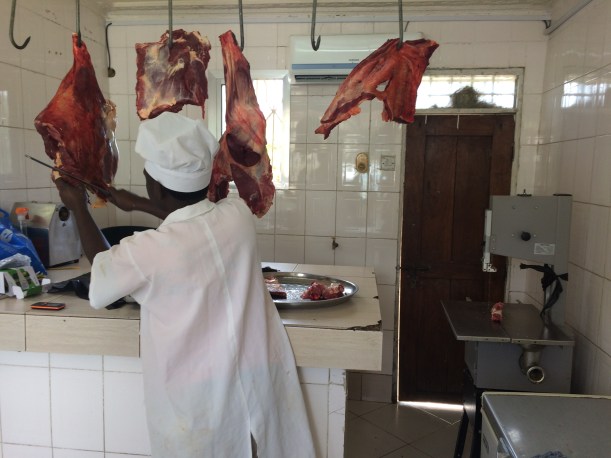
First stop is Survey Market, where we buy our fresh fruits and vegetables and most of our meat.

First stop is Survey Market, where we buy our fresh fruits and vegetables and most of our meat. 

We often go to the western grocery store, Nakumatt. Here we can buy some American foods (American Garden label!), brown (whole wheat) bread and a few other things that are hard to find elsewhere.

We often go to the western-style grocery store, Nakumatt, located in Mlimani City Mall. Here we can buy some American foods (American Garden label, even!), brown (whole wheat) bread and a few other things that are hard to find elsewhere.
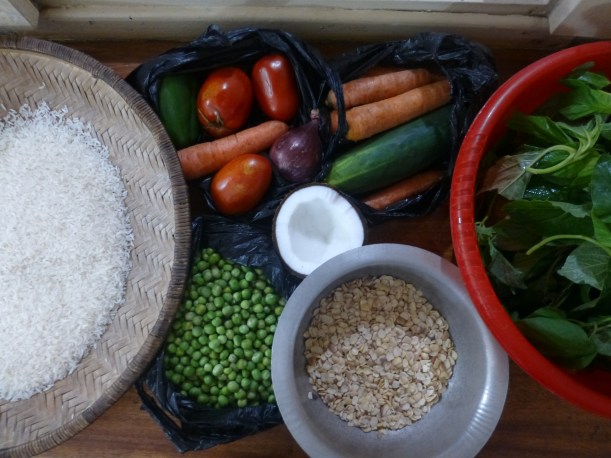
Some of the delicious fresh ingredients we get.
Some of the delicious fresh ingredients we get.

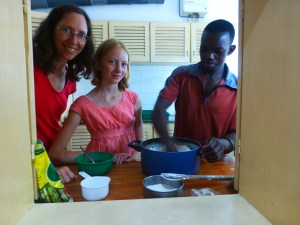
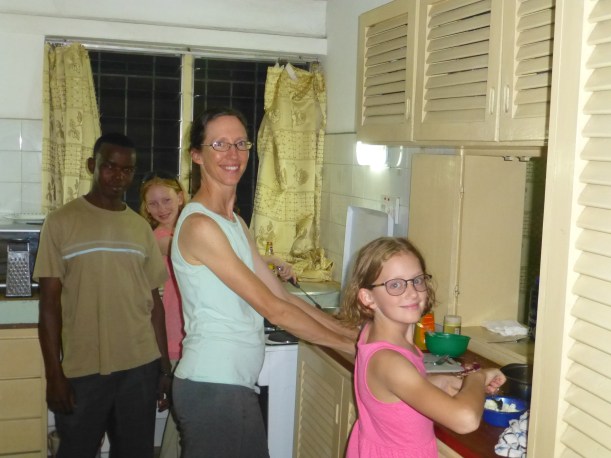
Our friend Andrew has taught us to cook many things: choroko, mbazee, mchicha, andazi and chapati.

Our friend Andrew has taught us to cook many things: choroko, mbazee, mchicha, ugali, uni, andazi and chapati. The girls have enjoyed learning as well – they are excellent chapati makers!
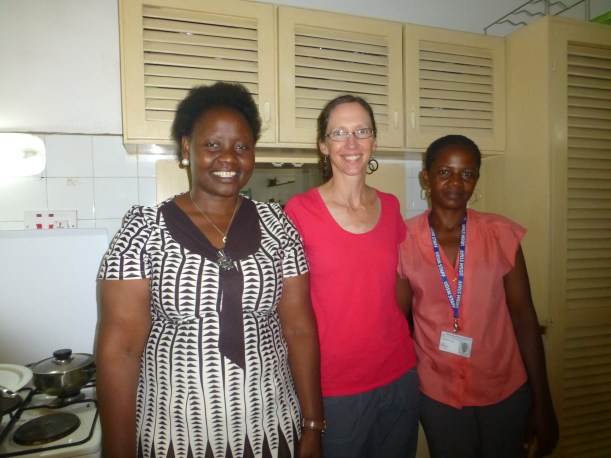
Paulina (on the left) is the Dean of Students and has helped us so much with our daily living needs. She is an excellent cook and has taught me to make pilau and ndizi na nayma, along with Agatha (on the right).

Paulina (on the left) is the Dean of Students and has helped us so much with our daily living needs. She is an excellent cook and has taught me to make cassava, pilau, soup and ndizi na nayma, along with Agatha (on the right).
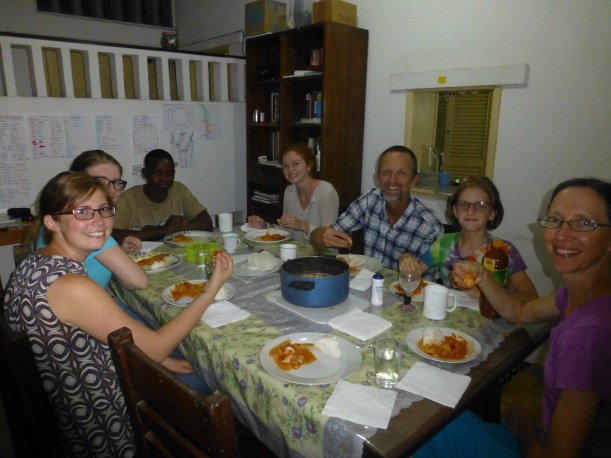
We've enjoyed cooking for our students and teaching them how to make a few things (this was ugali night).
We’ve enjoyed cooking for our students and teaching them how to make a few things (this was ugali night).

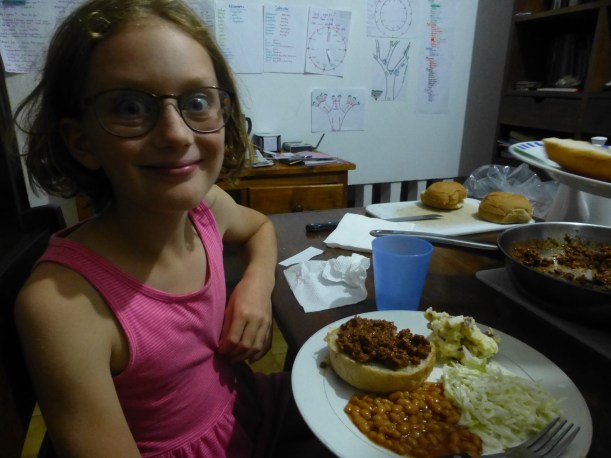
One night we made American food for Andrew: sloppy joes, baked beans, coleslaw, potato salad and ice cream for dessert. It was by far Lily's favorite meal. :)

One night we made American food for Andrew: sloppy joes, baked beans, coleslaw, potato salad and ice cream for dessert. It was by far Lily’s favorite meal. 🙂
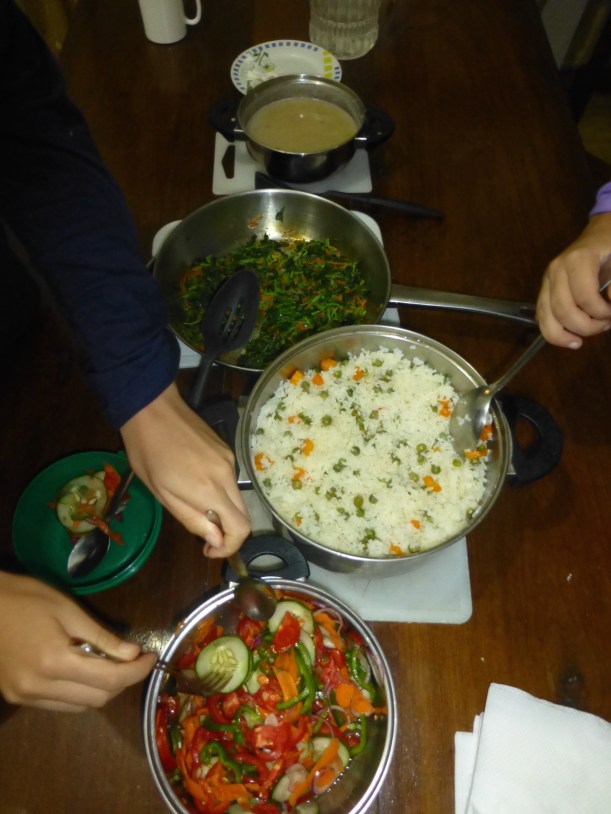
I love the Tanzanian food: kachumbali, wali, mchicha, na mbazee. (Salad, rice, cooked greens and beans).

I love the Tanzanian food: kachumbali, wali, mchicha, na kunde. (Salad, rice, cooked greens and beans).
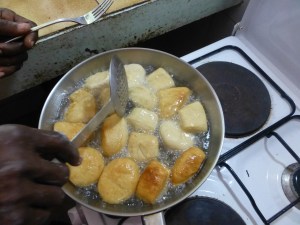
Mmm - andazi!

Mmm – andazi!

Making andazi.

Making andazi.


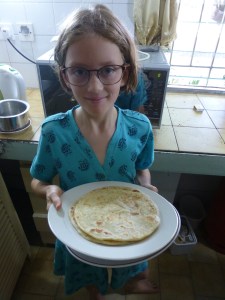
Mmm...chapati!

Mmm…chapati!


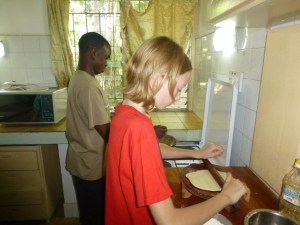
Making chapati.
Making chapati.


2 Comments

Home at Wild Palm

After 2 weeks of traveling around parks and archeological sites in Northern Tanzania, we settled down to nearly 4 weeks at Wild Palm campsite, near Tarangire National Park. We arrived on Thursday, 27 October and now our time is coming to a close – we leave on Monday, 20 November.

During this portion of the semester, the students are engaged in their own independent research in and around Tarangire Park. Six students, in pairs, are studying termite mounds, water quality, and reptiles in the park. One student is involved in an archeological dig, looking for elephant bones with signs of tool use, dating back 800,000 years ago. Three students are interviewing local Maasai people and schools in the area to learn about education, healthcare and attitudes towards people with disabilities. Their work is coming to a close this week. When we return to Dar, they will work on final papers and give a presentation about their research.

As for me and the girls, we have been doing a mix of homeschool work here (math, cursive, science, etc.) and going out with the students to learn about their research. We also spend time reading, playing cards with the students, coloring and exploring the area around the campsite. We are enjoying camping and being outside every day, but we are also looking forward to being back in Dar and doing a few more things before we leave the country on 13 December.

Here are some photos of life here in Northern Tanzania.

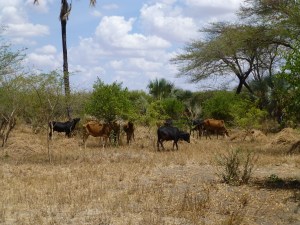
Back at Wild Palm, we regularly have cows wander into camp looking for something to eat. It is really dry in this area right now and the cows are getting very hungry.

Here at Wild Palm, cows regularly wander into camp looking for something to eat. It is really dry in this area right now and the cows are getting very hungry.


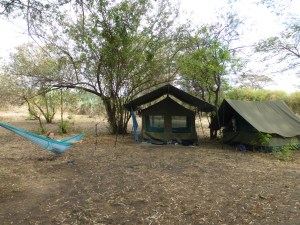
Our sleeping quarters. Jon and I get the big tent and the girls share the little one. We have been sleeping really well, overall.

Our sleeping quarters. Jon and I get the big tent and the girls share the little one. We have been sleeping really well, overall.


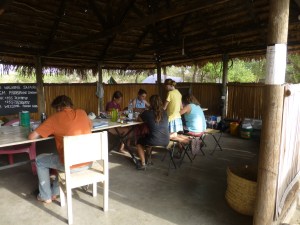
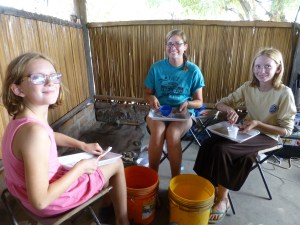
The dining/card playing and coloring/homeschool area where we spend a lot of our time.

The dining/homeschool/card playing and coloring area where we spend a lot of our time.


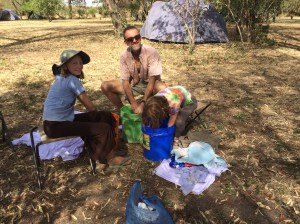
We wash our laundry by hand every few days. It dries really quickly in the hot sun and dry heat!

We wash our laundry by hand every few days. It dries really quickly in the hot sun and dry heat!


The water for the camp comes from a nearby well. Lily likes to help pump water for camp.

The water for the camp comes from a nearby well. Lily likes to help pump water for camp.

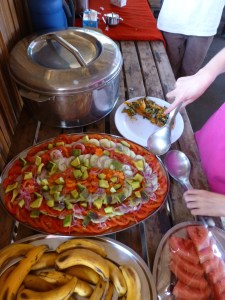
We eat great food here! Our cook, Ino makes a variety of really delicious foods - we always look forward to meals.

We eat great food here! Our cook, Inno makes a variety of really delicious foods – we always look forward to meals. For lunch: homemade pizza, kachumbali (salad) and matunda (fruit).


One of the best parts of helping the students in the park is that we get to get out of the cars in order to check traps and collect water. We always have an armed guard with us (park rules) and we get to wander away from the road. We’ve been pretty close to zebras, wildebeest and baboons while out checking traps and we’ve found lizards, turtles and snakes along the road that we could examine closely out of the car.

p1140980

Collecting water samples from the Tarangire River.

p1140828

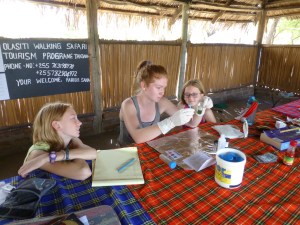
Testing the water samples.


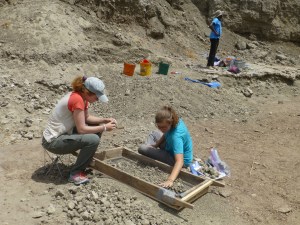
Collecting bones at the dig site.

Collecting bones at the dig site, which is not in the park.


Cleaning the bones back at camp.

Cleaning the bones back at camp.


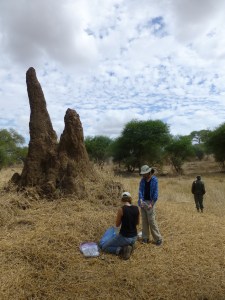
Checking the pitfall traps at the termite mounds. Mara is looking at spider diversity at different mounds.

Checking the pitfall traps at the termite mounds. One student is looking at spider diversity at different mounds.

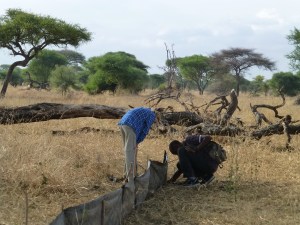
Checking the reptile traps for lizards.

Checking the reptile traps for lizards. It’s been so dry that lizards, skinks and agamas are not moving around much and all we found were mice, shrews and insects.


5 Comments

Serengeti, part 2

Here are a few more of our hundreds of photos from Serengeti National Park. Some of the pictures are my favorites and some tell a story about something unique we encountered.

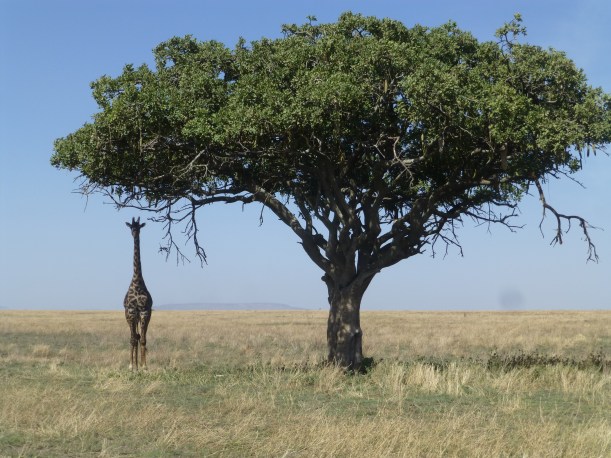
p1140164

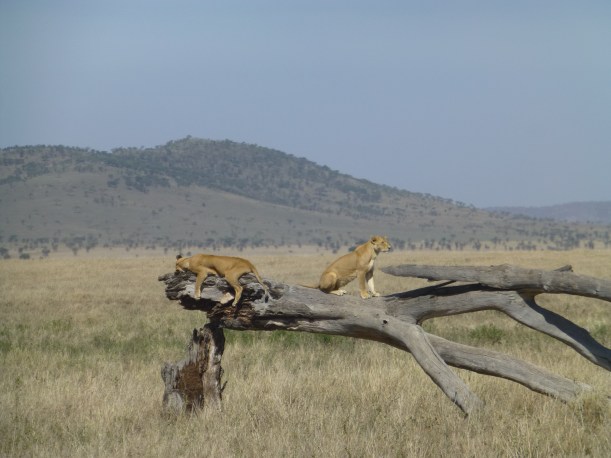
img_4334

p1140072

At the hippo pool. The hippos were so noisy! They were constantly slapping the water with their tails to splash water on their backs.

Visiting the hippo pool. The hippos were so noisy! They were constantly slapping the water with their tails to splash water on their backs (poopy water, I might add).

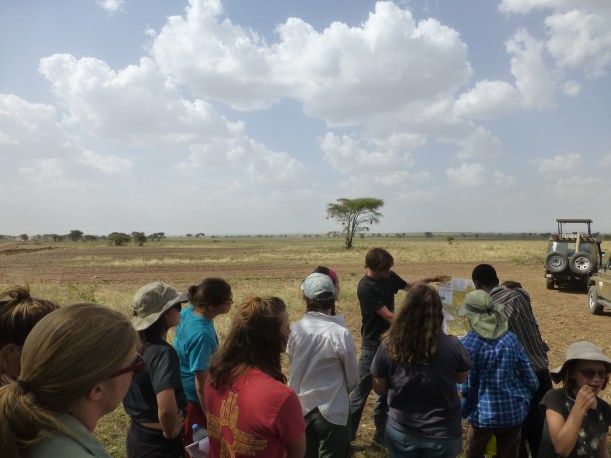
The students share "stories" with us about different ecological aspects of the park.

The students shared “stories” with us about different ecological aspects of the park.

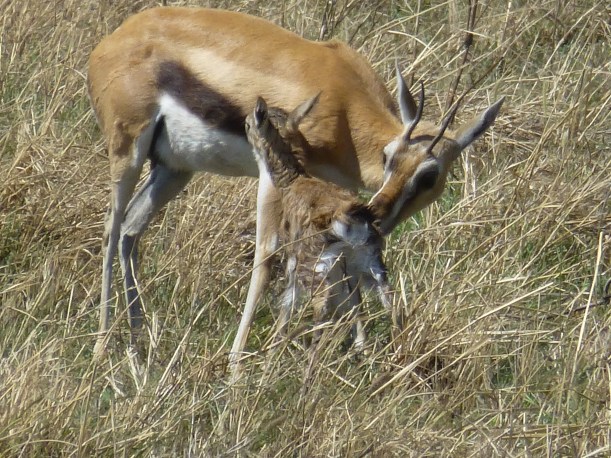
We saw this mama and baby Thompson's Gazelle minutes after the baby was born. It couldn't even stand up and the mama was still licking it. We watched for a long time.

We saw this mama and baby Thompson’s Gazelle minutes after the baby was born. The baby couldn’t even stand up and the mama was still licking it.

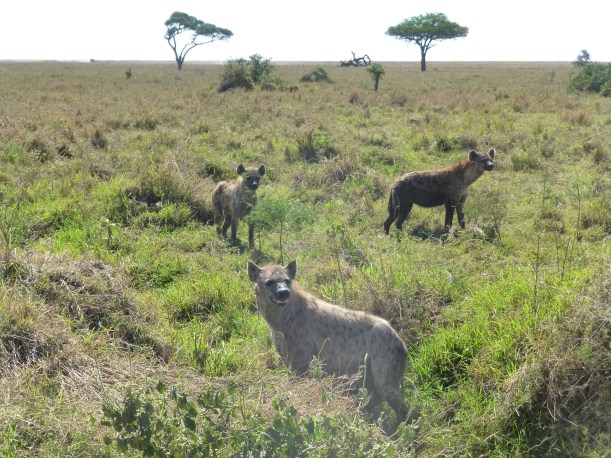
Most of our group did not like hyenas, but I thought they were pretty cool.

Hyenas are kind of spooky, but they are also pretty cool animals. We heard lots of them at our campground every night and some of our students saw one on their way to the bathroom one night.

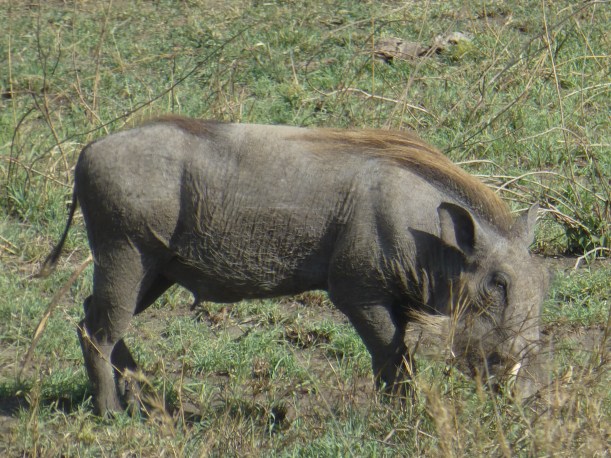
I love the warthogs! They are such weird looking creatures! Apparently they can run really fast. And, like most animals, their babies are adorable.

I love the warthogs! They are such weird looking creatures! Apparently they can run really fast and can fight off predators with their tusks.

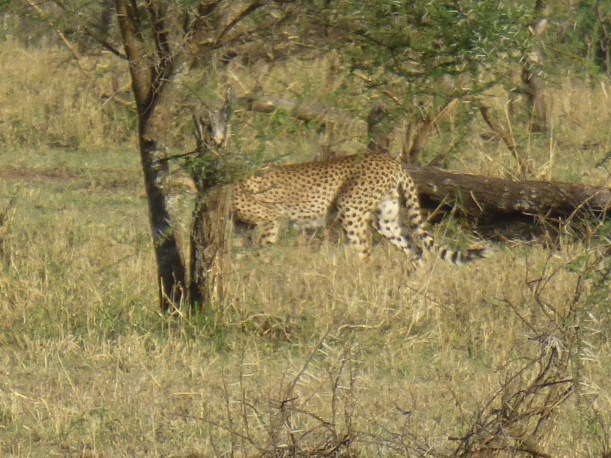
We watched 2 cheetas one day, just wandering around a wooded area. They were far away so this is the best photo I got.

We watched 2 cheetahs one day, just wandering around a wooded area. They were far away so this is the best photo Jon could get.

We watched these male elephants fighting.

We watched these male elephants fighting. It was a little scary because we were really close and they were making loud grunting noises and really jabbing each other with their tusks. We weren’t sure if they were young males playing around or older males fighting over a female.

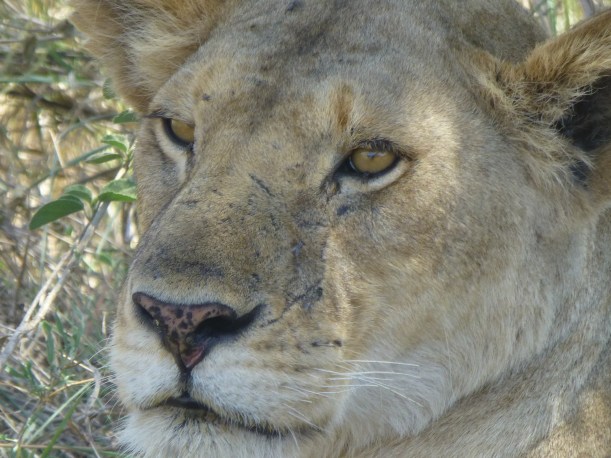
We learned that the lion researchers in the park identify each lion by the pattern of spots right above the whiskers. This lion walked so close to Jon's jeep that he got a pretty good look at that pattern on this female!

We learned that the lion researchers in the park identify each lion by the pattern of spots on the cheek right above the whiskers. They can also estimate the age based on the amount of black on the nose. This lion walked so close to Jon’s jeep that he got a pretty good look at that pattern on this female! She is probably about 8 years old.

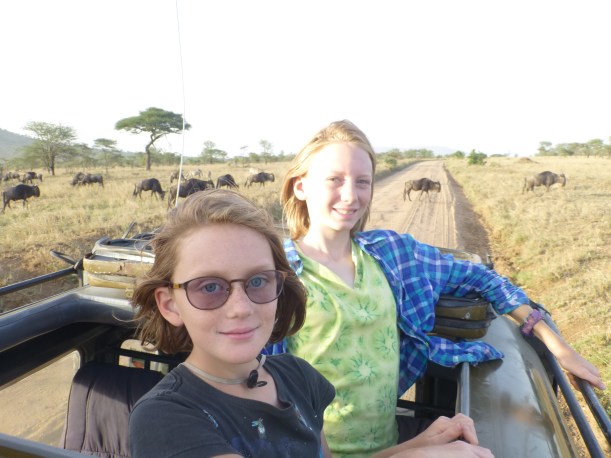
Late afternoon game drive on our last day.

Late afternoon game drive on our last full day. The girls loved standing up in the jeep – they could see 360 degrees all around and really absorb the views in this amazing park.


4 Comments

Serengeti National Park

Our next stop after Lake Manyara was Serengeti National Park. We arrived on 18 October and left on 22 October. We went on daily game drives to different areas of the park and saw many animals. We also spent time at a visitor’s center learning about the wildebeest migration, attending a presentation by a lion researcher, and listening to student presentations about the animals and ecology of the park.

Here is the first batch photos. I will post more later!

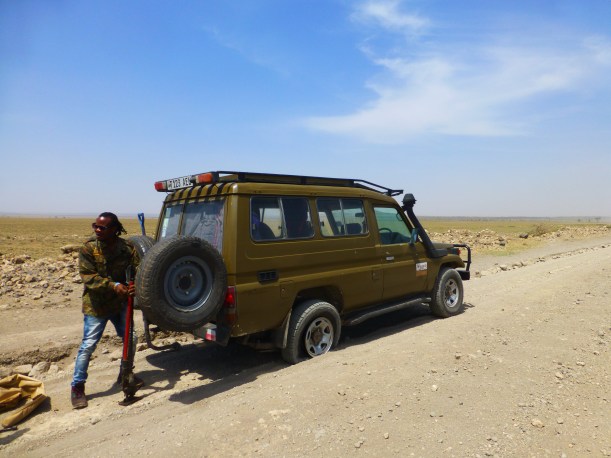
The road to Serengeti was hot, dusty and very bumpy. Not so good for the tires.

The road to Serengeti was hot, dusty and very bumpy. Not so good for the tires. Pole sana, Patrick.

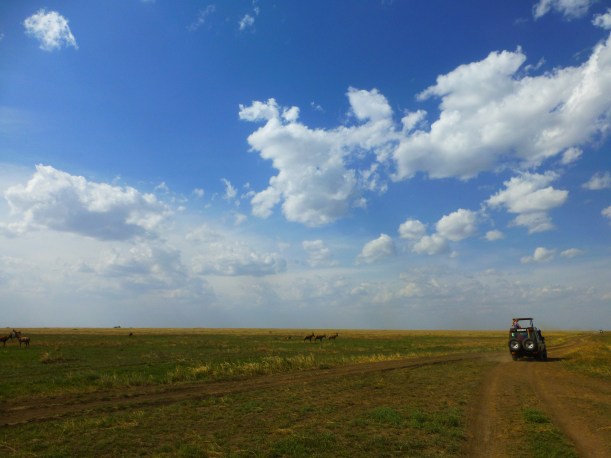
Serengeti means "endless plains" in Maa, the language of the Maasai. It is an appropriate name. We drove for hours on this beautiful endless plain.
Serengeti means “endless plains” in Maa, the language of the Maasai. It is the perfect name. We drove for hours on this beautiful endless plain. The park is so vast, and in addition to the flat grasslands, there also are hills, rocky outcrops called kjopes, watering holes and wooded areas.

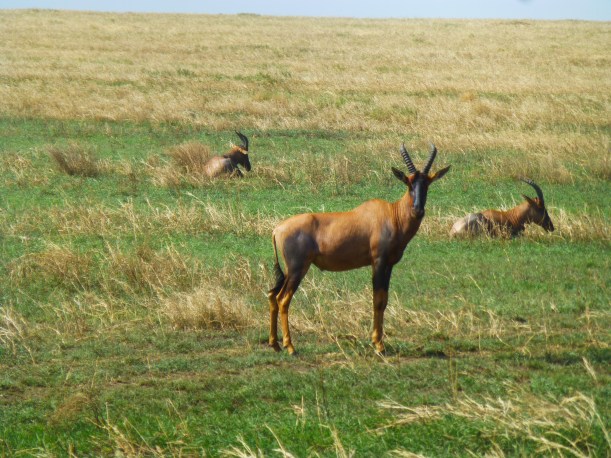
We learned all sorts of new animals, including this Hartebeest. There were so many new grazing animals to learn!

We were introduced to all sorts of new animals, including this Topi. There were so many new grazing animals to learn!

On our first day in the park, we were lucky to spot this leopard hanging out in the tree.

On our first day in the park, we were lucky to spot this leopard hanging out in the tree. He was so relaxed and sleepy – and cute!

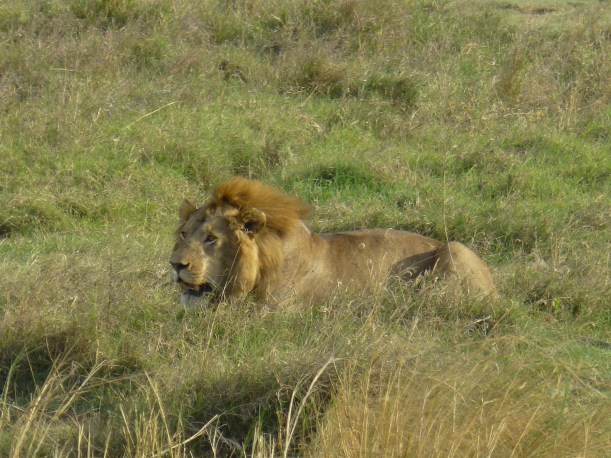
We also saw this male lion on the first day. After I took this photo, a young elephant scared him away! It was so cool to watch.

We also saw this male lion on our first day. He was with a female who is not pictured. After I took this photo, a young elephant walked over the lions, trumpeted at them and scared them away! It was so cool to watch the elephant take charge!

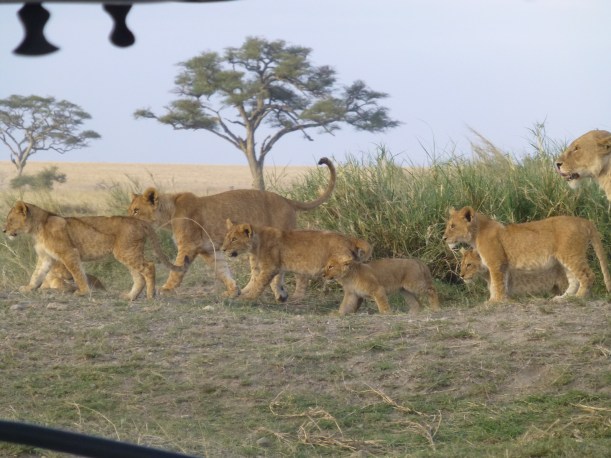
A short time later, we saw this pride of mothers and cubs. There were so many! We think the male we saw earlier was head of this pride.

A short time later, we saw this pride of mothers and cubs. There were so many! We think the male we saw earlier was head of this pride.

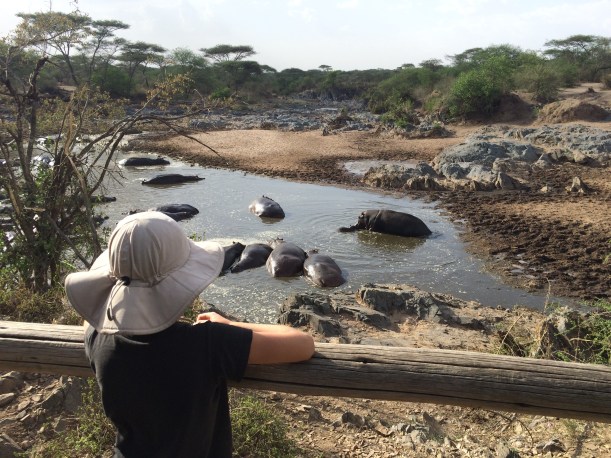
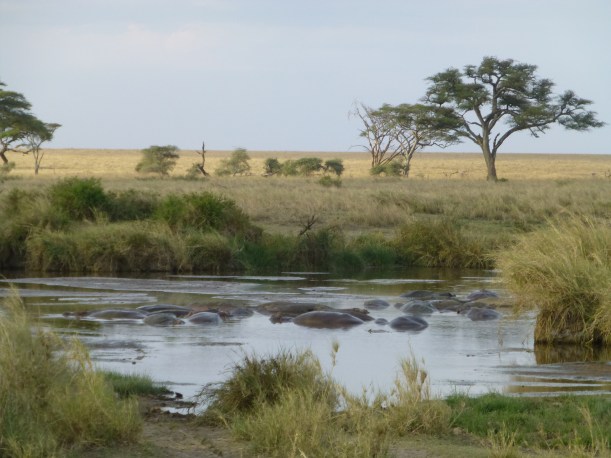
Hippo pool! Hippos are so cool! They just chill out in the water all day because the sun is bad for their skin.

Hippos are so cool! They just chill out in the water all day because the sun is bad for their skin. They will get out at night to feed. In the pond, they lay right next to each other, but they are pretty territorial on land.

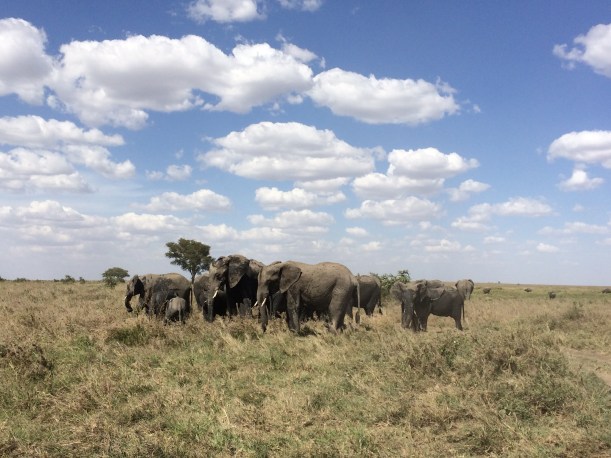
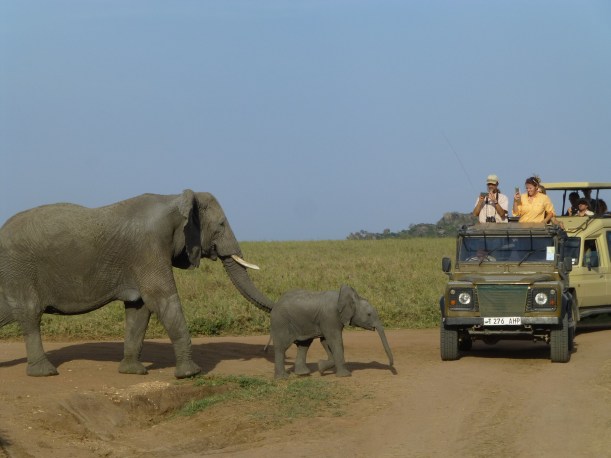
We just can't get over the elephants. We have more photos of elephants than anything else! But they are so incredible and the babies are beyond adorable.

We just can’t get over the elephants. We have more photos of elephants than anything else! They are so incredible and the babies are beyond adorable.

On the road to our campsite.

On the road to our campsite. A little different from the deer that I see on my drive home in Iowa. 🙂

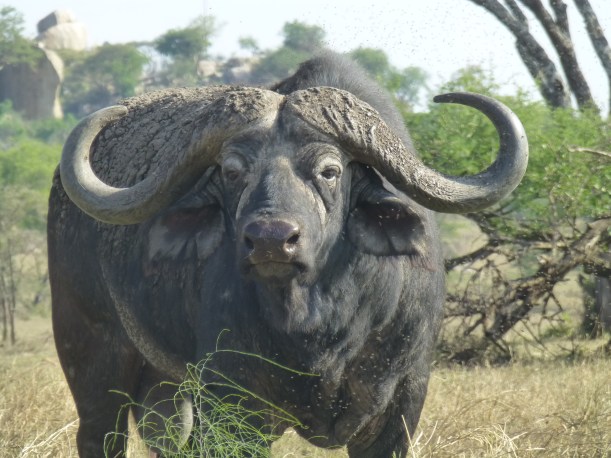
We also regularly saw a group of male buffalo on our drive back to camp.

We also regularly saw a group of male buffalo on our drive back to camp. Look at the flies all around him – we felt so bad for all the buffalos!

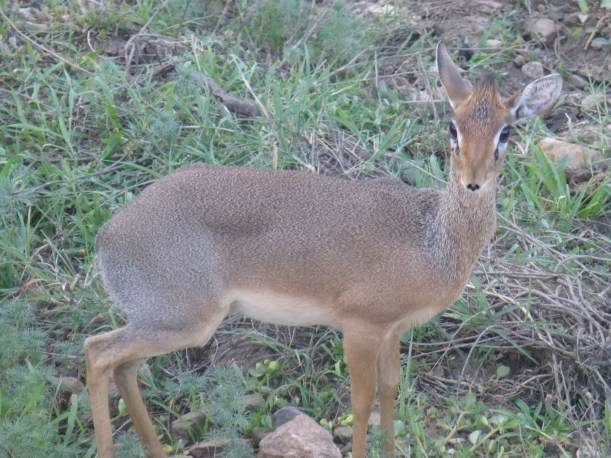
Lily's favorite animal - the adorable dik dik. Full grown it's about the size of a small dog. They hide out in bushes and can be hard to see.

Lily’s favorite animal – the adorable dik dik. Full grown it’s about the size of a fawn. They hide out in bushes and can be hard to see. They mate for life so we usually see them in pairs.


2 Comments

Lake Manyara

On October 16th, Lily’s 10th birthday, we arrived at Lake Manyara National Park, “home of the tree climbing lions.” It was our first game drive! It was really exciting to take the tops off the jeeps and and stand on the seats for a better look at the wildlife. And wow, did we see wildlife! We were constantly in awe –  driving around this beautiful natural area and then suddenly spotting an elephant 25 yards away or baboons walking down the road or zebras off in the distance. Unfortunately we never saw a lion in a tree or on the ground, but it didn’t matter – we saw so many other incredible animals, a what difference would a lion make? 🙂

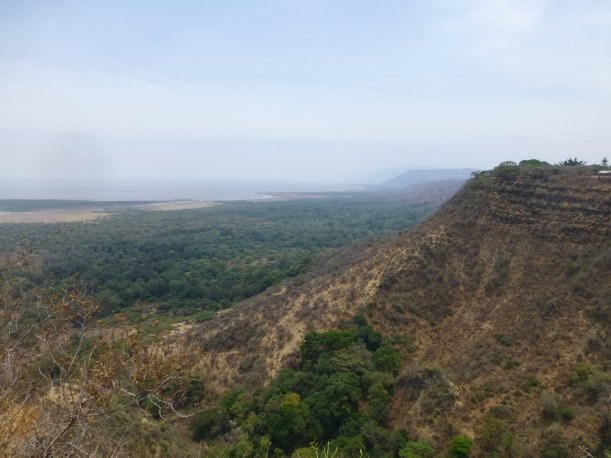
A view of Lake Manyara and the National Park from above.

A view of Lake Manyara National Park from a road above the park.

Getting ready for the game drive! We were able to stand on the seats while we were driving which was super fun!

Getting ready for the game drive! We were able to stand on the seats while we were driving which was super fun! Our drivers are so knowledgable about the parks and animals, and they are always teaching us new things and answering our (my) non-stop questions!

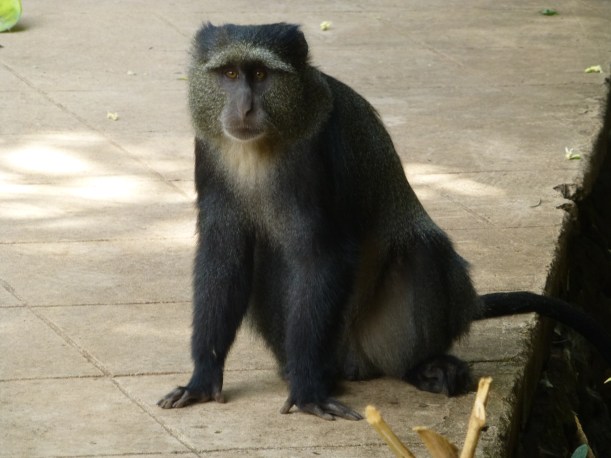
First animal we saw: blue monkeys at our picnic site. This one came over and grabbed food from Lily's lunch in a flash of a second!

First animals we saw: blue monkeys at our picnic site. This one came over and grabbed food from Lily’s lunch in a flash of a second! Needless to say, I jumped up and screamed. 🙂

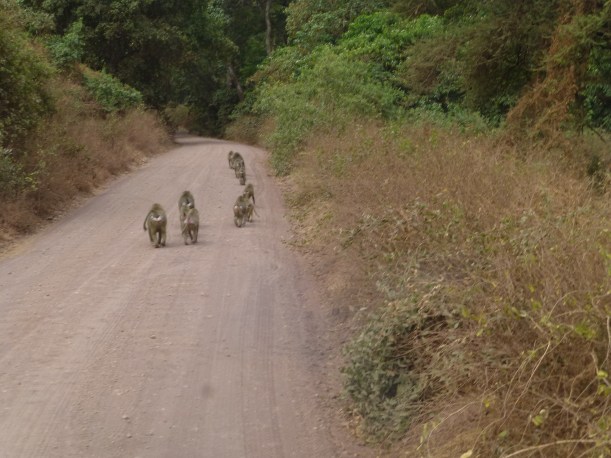
Lake Manyara is known for its many tribes of baboons.

Lake Manyara is known for its many baboon tribes. They are pretty cool animals – and the babies are especially cute.

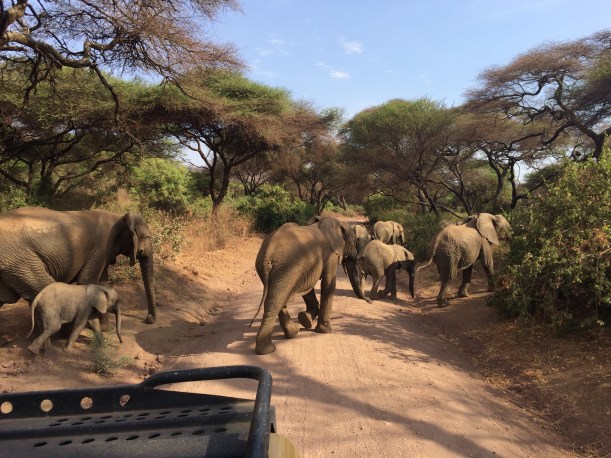
A little scary but so incredible! And the babies were TOO cute!

Elephants right next to us! A little scary but so incredible. And the little ones were TOO cute!

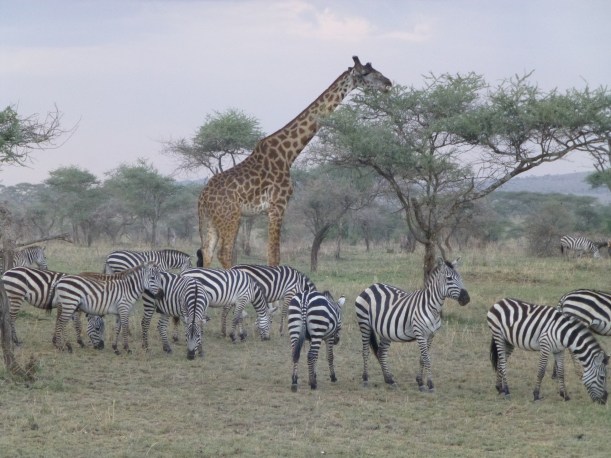
Sylvia loves the zebras. They are stocky little things that are more like donkeys than horses.

Sylvia loves the zebras. They are so stocky and more like donkeys than horses. They even bray like donkeys!

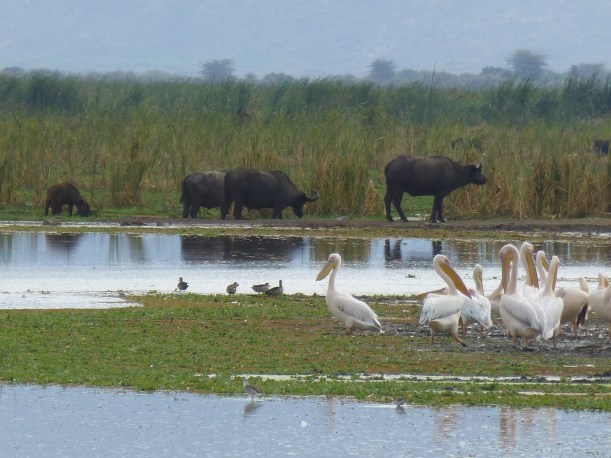
The buffalos are huge! And so cool. We saw many pelicans, flamingos and numerous shore birds, as well. There were also hippos in this pool, but we didn't get a good photo.

The buffalos are huge! And so cool. We saw many pelicans, flamingos and numerous shore birds, as well. There were also hippos in this pool, but we didn’t get a good photo.

Ninapenda twiga!! I love giraffes!! They are so awesome. When they run they look like they're in slow motion.

Ninapenda twiga!! I love giraffes!! They are so awesome. I love watching them run – they look like they’re in slow motion. I love watching them eat, too – their big lips and tongues ripping leaves off of the thorny acacia trees.

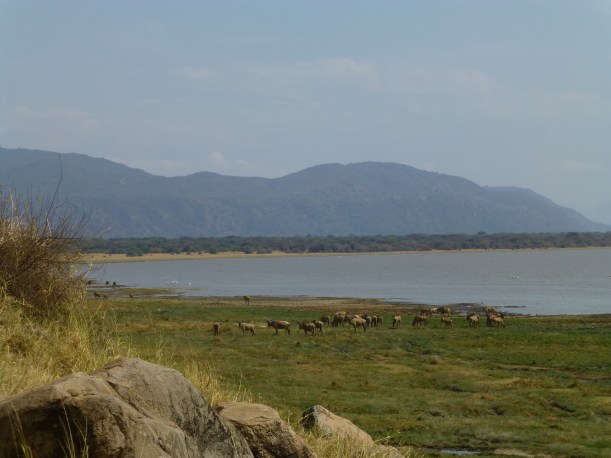
Lake Manyara. There were many, many birds, grazing animals and hippos!

Lake Manyara. There were many, many birds, grazing animals, and hippos!

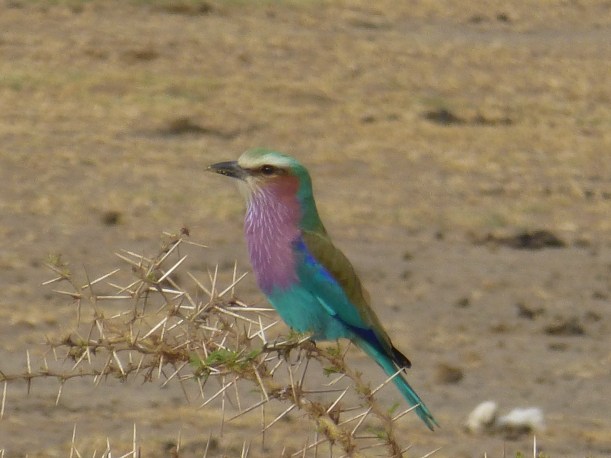
The Lilac-breasted Roller, a spectacular bird!

The Lilac-breasted Roller, a spectacular bird! And look at the thorns on that acacia bush!

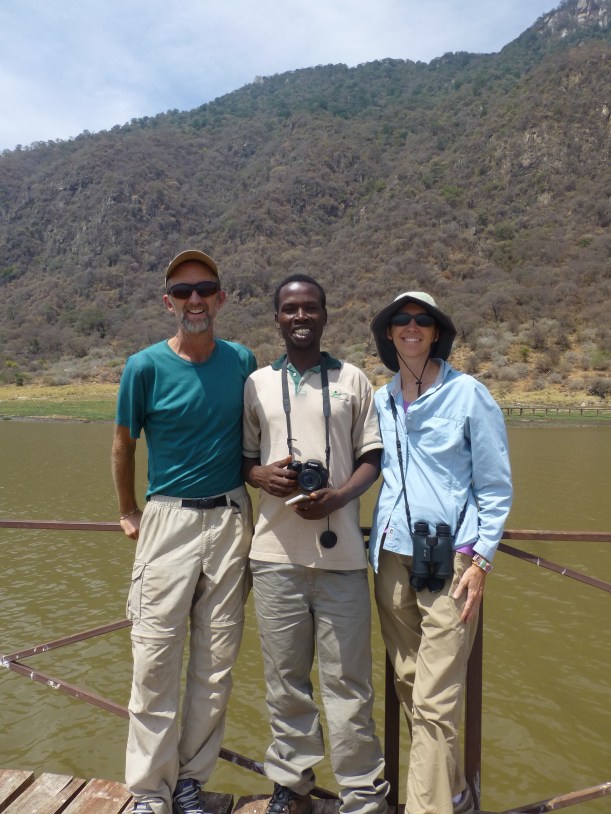
With Chacha, the ecology professor from UDSM who joined is on our safari. It was great to have him along to teach us about diffferent aspects of the parks and to coordinate student stories.

With Chacha, the ecology professor from UDSM who joined us on our safari. It was great to have him along to teach us about different aspects of the parks and answer our questions. He also coordinated student stories (presentations) about the geology, history, ecology and animal biology of the parks and mammals that we encountered. It was an awesome learning experience!

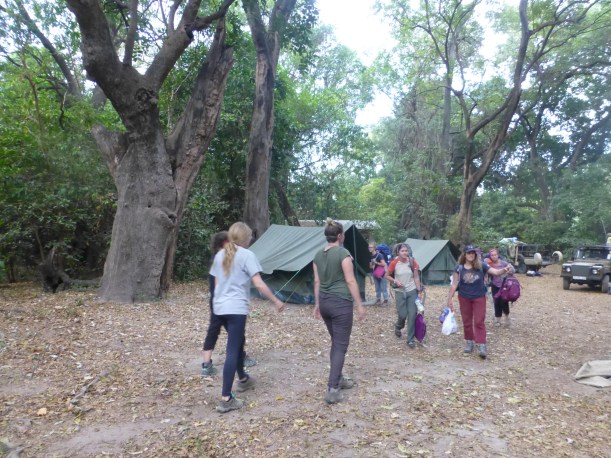
Our campsite in the woods. We had a few serval cats survey the camp in the middle of the night. I woke up to the clanging of pots and pans as they investigated the kitchen area.

Our campsite in the woods. We had a few serval cats check out the camp in the middle of the night. I woke up to the clanging of pots and pans as they investigated the kitchen area. Fortunately, no harm was done. 🙂


3 Comments

Engakaret

On October 13th, we met up with our students in Arusha and began our safari adventure the next day. Our first stop was a Maasai village with several bomas (groups of family homes) north of Arusha. The area, Engakaret, is dry and dusty but so unique and beautiful with Mts. Kilimanjaro and Meru in the background. We spent 3 days here learning about Maasai culture and their traditional ways.

Getting ready to leave for our 2 weeks of travel.

Getting ready to leave for our 2 weeks of travel.

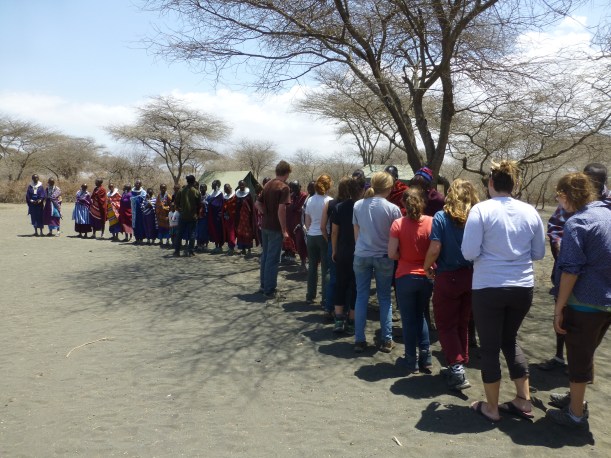
We were warmly welcomed at Engakaret by many people in the village.

We were warmly welcomed at Engakaret by many people in the village. We learned the proper way to say hello in Maa, the Maasai language.

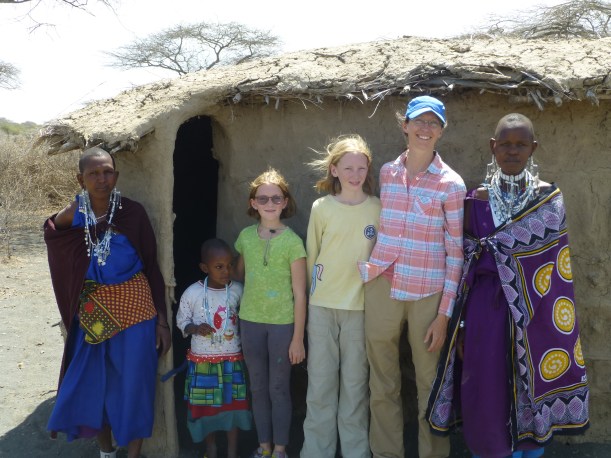
We toured houses built by women of the village. They rent out the homes for overnight guests as a way to earn money.

We toured houses built by women of the village. They rent out the houses for overnight visitors as a way to earn money.

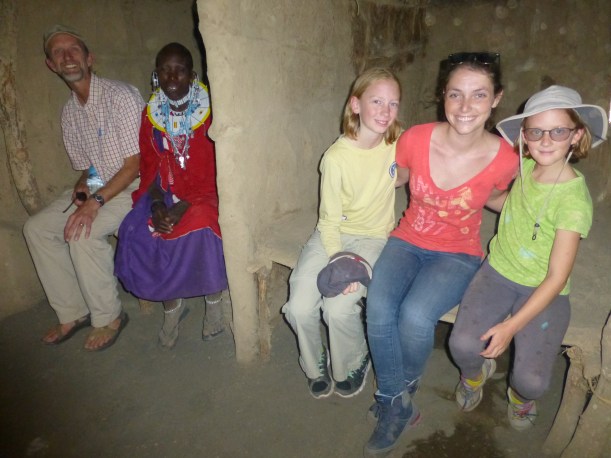
Inside the home. It was dark but actually fairly cool.

Inside the house – a bit dark but actually fairly cool. They are sitting on the beds, and in front of them is a fire on the ground for cooking. It did leave the house a bit smokey.

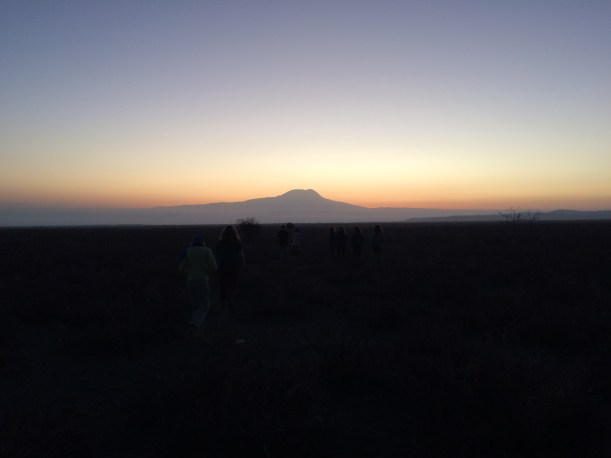
We went on an early morning walk to watch the sun rise above Mt. Kilimanjaro.

We went out for an early morning walk to watch the sun rise above Mt. Kilimanjaro.

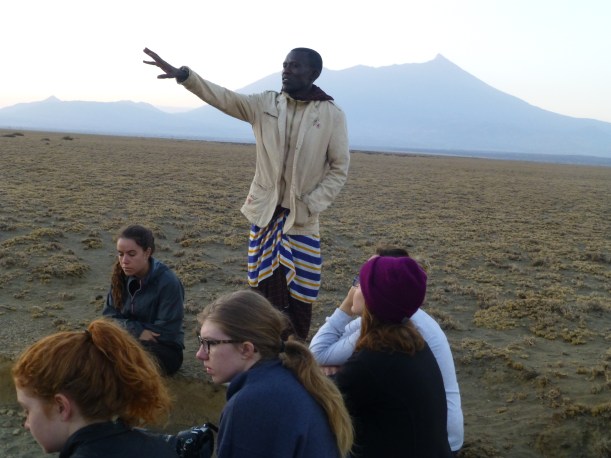
Philip was our Maasai guide. He organized a campfire talk with village elders, milking goats, a singing and dancing event and more.

Philip was our Maasai guide. Here he is telling us about how and where the Maasai graze their animals. He also organized many activities including a campfire talk with village elders, a chance to milk goats, and a singing and dancing event. Mount Meru is in the background.

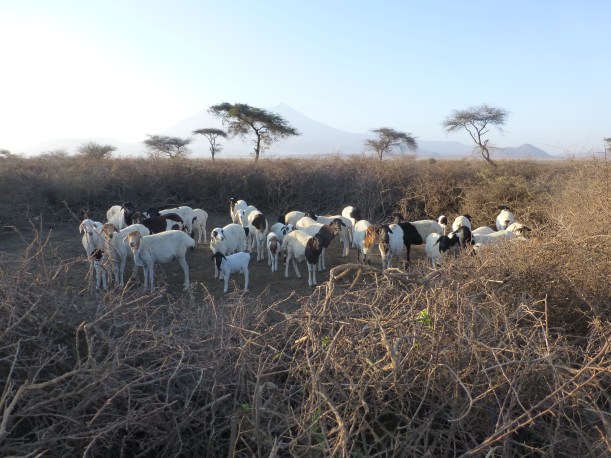
Goats inside the acacia tree fence, in the middle of a boma.

Goats inside the acacia branch fence, in the middle of a boma. The acacia branches have many thorns which are major deterrents to predators (and keep the goats inside!). Mount Meru is in the background.

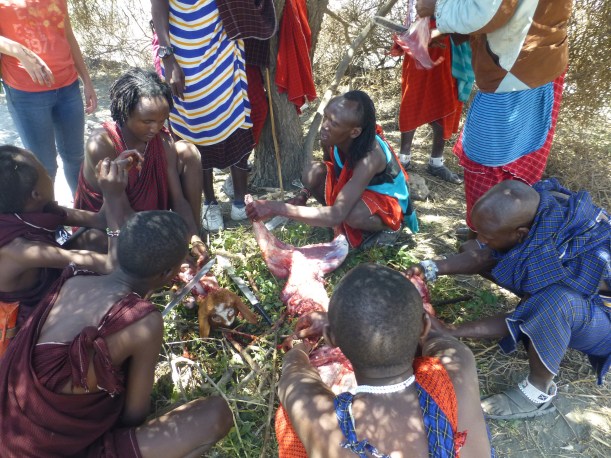
We attended a ceremony called orpul. In a nutshell, the men of the village kill a goat for food and medicine, including drinking the blood, eating raw meat and cooking just about every part of the goat. We ate cooked liver and legs and ate a medicinal soup made out of many parts of the animal.

We attended a ceremony called orpul. It’s an old tradition that has many facets. Basically, the men of the village kill a goat for food and medicine, including drinking the blood, eating raw meat and cooking just about every part of the goat. We ate cooked liver and gnawed on a leg bone, and ate a medicinal soup made out of many parts of the animal.

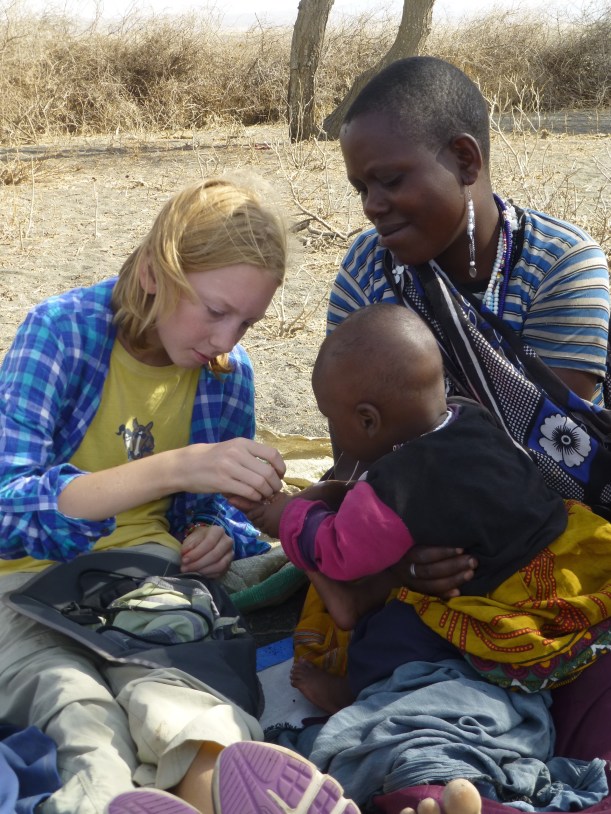
We had the opportunity to bead with the women (mamas) of the village. The women, in addition to renting out the homes also make beaded jewelry to sell.

We had the opportunity to bead with the women (mamas) of the village. The women, in addition to renting out the houses also make beaded jewelry to sell.

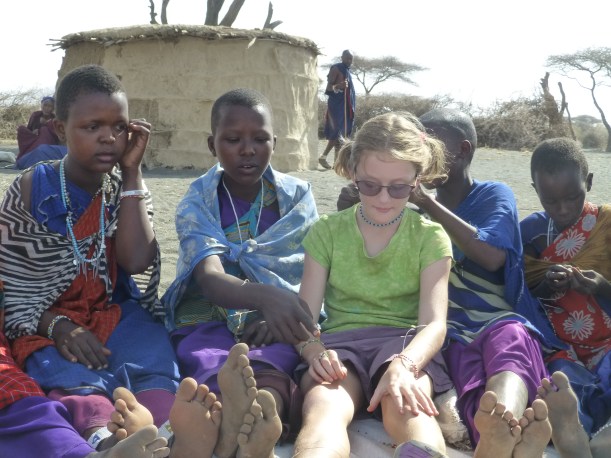
Lily sat by several children who all made her beaded jewelry. She was totally decked out in bracelets, necklaces and anklets!

Lily sat by several children who all made her beaded jewelry. She was totally decked out in bracelets, necklaces and anklets!

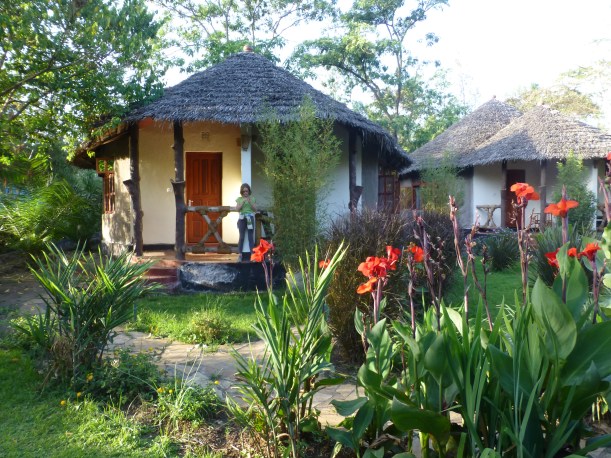
Our campsite at Engakaret. I

Our campsite at Engakaret. The dirt was dark and sandy – volcanic soil from Kilimanjaro. They say in the rainy season everything is green, but it was hard to imagine now, in the middle of the hot, dry season.

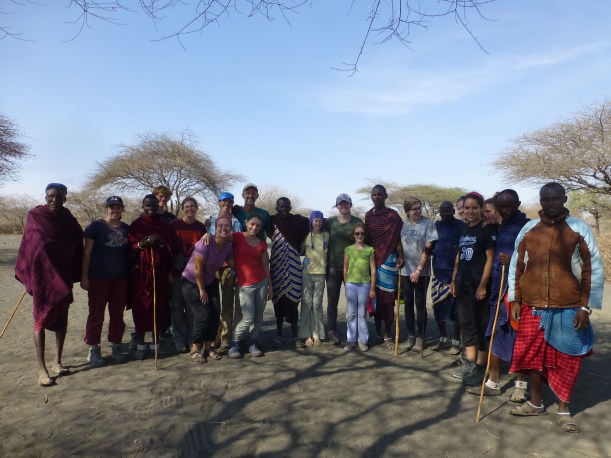
We left the village on Lily's birthday, October 16th. We all really enjoyed our time at the village learning about the Maasai people and feeling so welcomed by all of them.

We left the village on Lily’s birthday, October 16th. We all really enjoyed our time at the village learning about the Maasai people and feeling so welcomed by all of them.


2 Comments

Arusha!

On Saturday, October 8th, our family boarded a bus heading north to Arusha, the second largest city in Tanzania and the jumping off point for the “Northern Circuit” – the national parks and conservation areas in the northern part of the country. The bus trip took 13 hours!! Ugh! But we had a lovely 5 day break before meeting back up with the students to continue the program. Here are a few highlights of our time in Arusha before heading out on the Northern Circuit.

There will be more posts to come of our adventures in the national parks. Stay tuned!

p1130164

We spent a few relaxing days at Vijiji Center, a quiet retreat outside of Arusha.

We met up with Jon's friend Musa who is Maasai.

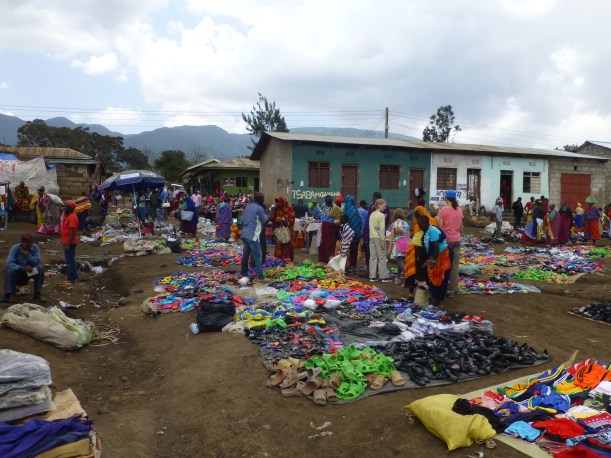
We met up with Jon’s friend Musa who is Maasai. We first stopped here, in Mondulichini, for lunch and to see the market.

Market in Monduli Chini.

The weekly market in Mondulichini.

Then, Musa took us to his boma up in the beautiful hills. A boma is a collection of family houses and a fenced area for keeping goats and sheep at night.

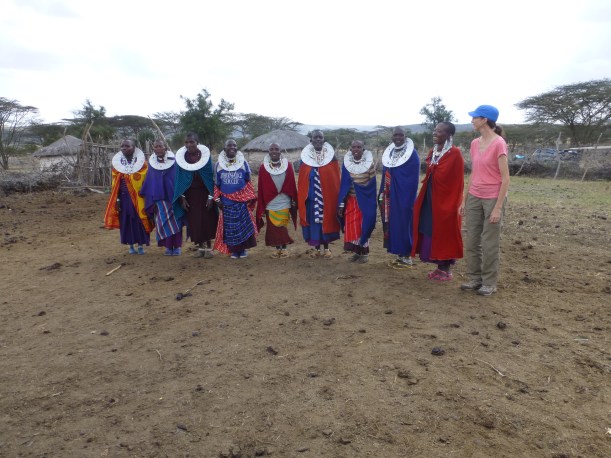
Next, Musa took us to his boma up in the beautiful hills. A boma is a collection of family houses and a fenced area for keeping goats and sheep safe at night. You can see the fence, made of very thorny acacia, on the right.

Musa's mom (in the Luther shirt) and other family members greeted us with song and dance. I joined in. :)

Musa’s mom (in the Luther shirt) and other family members greeted us with song and dance. I joined in. 🙂

Musa's relatives. The Maasai are pastoralists and spend time out with their animals every day. The goats and sheep stay near the boma and are brought in at night. Now, during the dry season, the cattle are taken a long ways away for better food and water. The cattle stay out with men from the boma for weeks at a time.

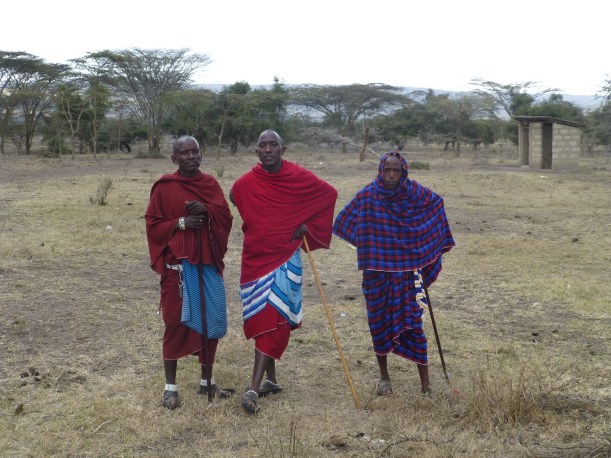
Musa’s relatives. The Maasai are pastoralists and spend time out with their animals every day. The goats and sheep graze near the boma and are brought in at night. But now, during the dry season, the cattle are taken a long ways away for better food and water. The cattle stay out with men from the boma for weeks at a time.

Musa took us to his alma mater, Noonkodin School. The students were studying for their upcoming exams.

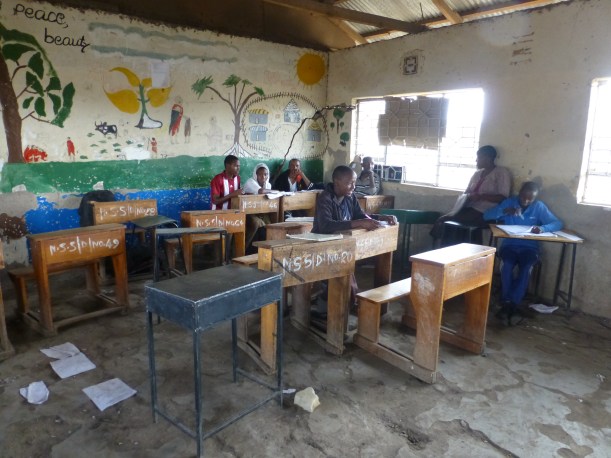
Musa took us to his alma mater, Noonkodin School. It is a private boarding school in a very rural, very beautiful area in the hills. The students were studying for their upcoming exams.

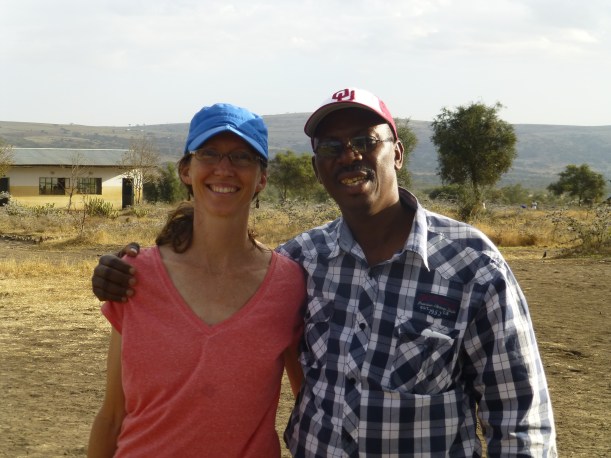
Aziz is another friend of Jon's and works with Musa. He is a driver and is not Maasai, but knows a lot about the culture.

Aziz is another friend of Jon’s and works with Musa. He is a driver and is not Maasai, but knows a lot about the culture. He was a great driver and taught us a lot about Tanzanians and Maasai.

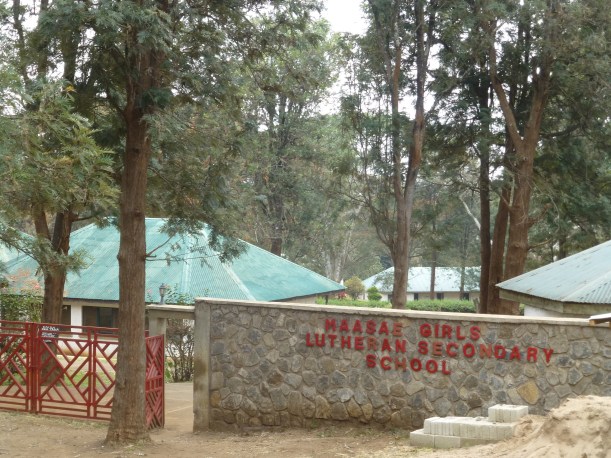
We visited another school in Monduli - a school specifically for Maasai girls to help give them an education and economic security.

We visited another school in Mondulichini – a school for Maasai girls with a specific mission to give them an education and economic security.

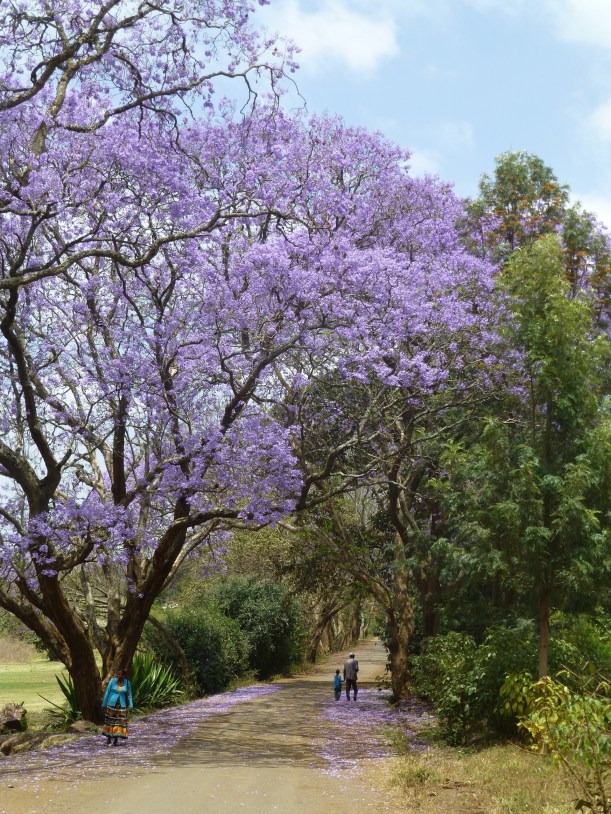
The jacaranda trees were blooming everywhere! Not only were they beautiful, they smelled wonderful as well!

The jacaranda trees were blooming everywhere! Not only were they beautiful, they smelled wonderful as well!

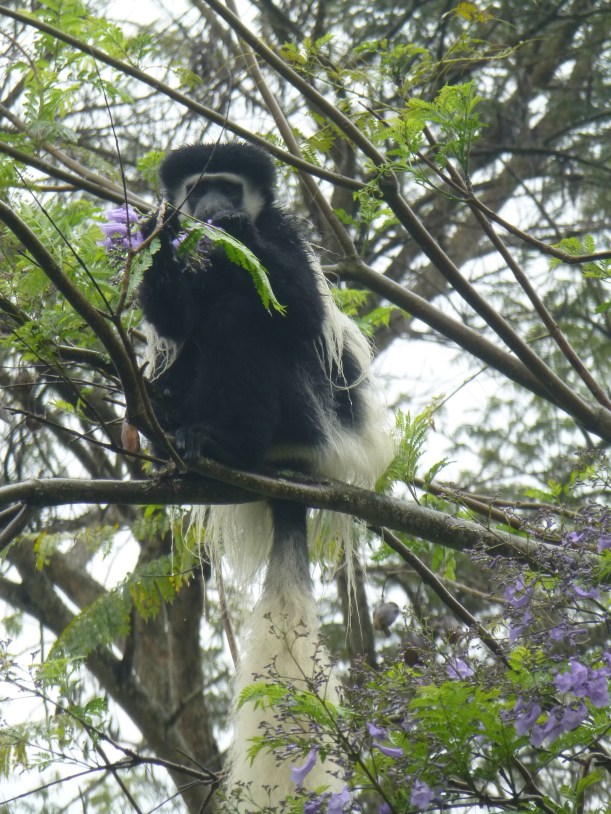
We spent one night at TCDC, non-profit retreat center. There we loved watching the black and white colobus monkeys up in the trees!

We spent one night at TCDC, non-profit retreat center. There we loved watching the black and white colobus monkeys eating jacaranda flowers up in the trees!


2 Comments

Zanzibar, again

We went back to Zanzibar with the students a couple weeks ago and I am finally getting around to posting some pictures from that trip. We spent 3 days and 2 nights on the island and spent most of that time on guided tours. The tours were great – it was so nice to have someone coordinating our transportation, teaching us about Zanzibar and organizing the whole group of us!

Below are several photos. I’m having a hard time uploading all the photos I want to share, so I’ll just start with this batch. And since we are leaving reliable wifi service for 6 weeks, I may not post the rest until November!

img_3506

Zanzibar Town, the newer city around Stone Town on the main island, Unguja, Zanzibar.


img_3519

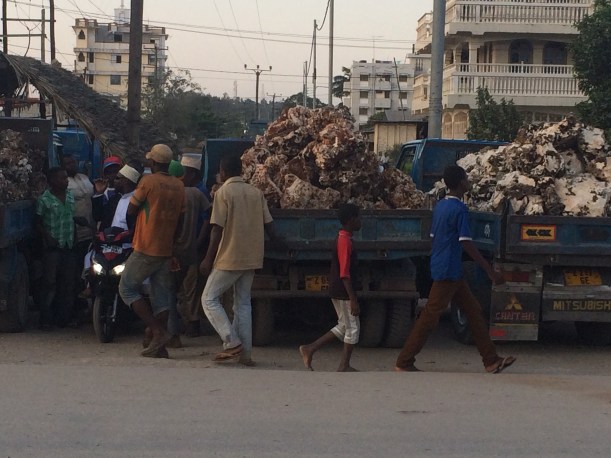
Trucks full of coral stone. The buildings in Stone Town were made of this stone, hence the name. Current construction also uses this rock.


img_3522

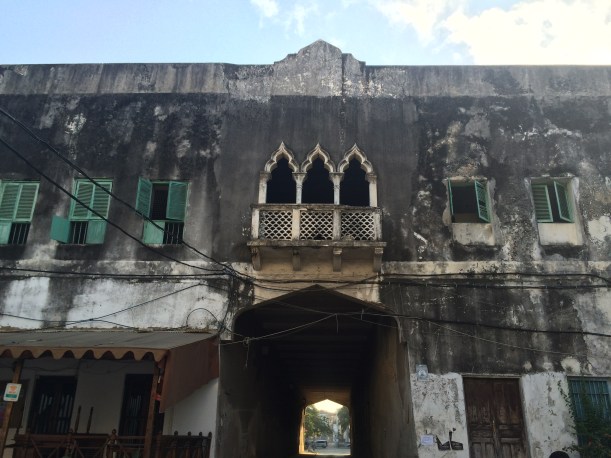
Stone Town, the historic old city in Zanzibar. Stone Town has unique architecture, with Indian, Arabic, German and British influences.


img_3542

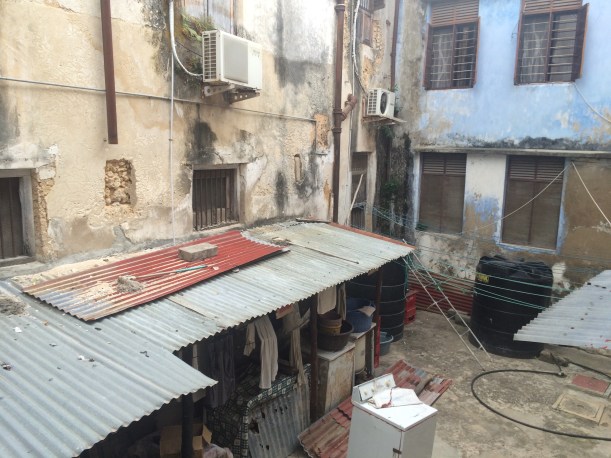
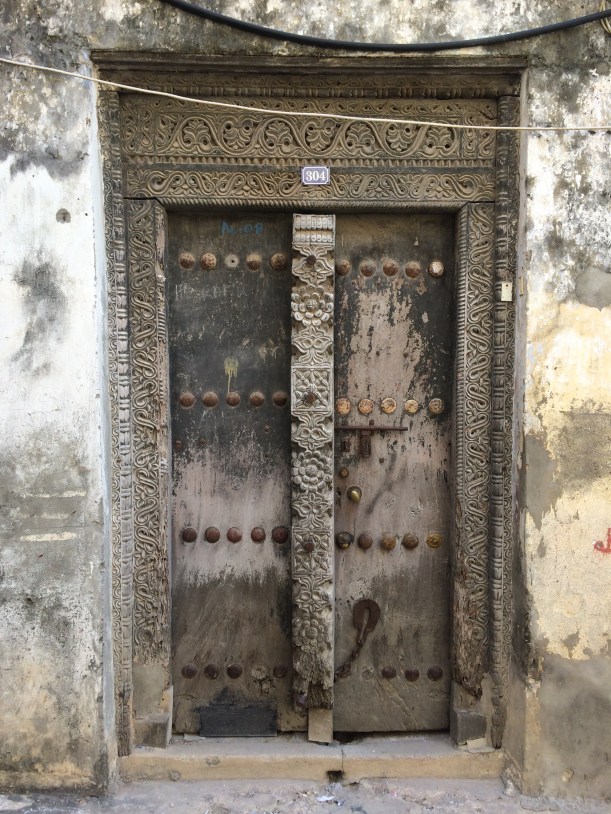
Alley behind our hotel in Stone Town. You can see the coral stone in the hole in the wall on the left side of the photo.


img_3594

p1120845

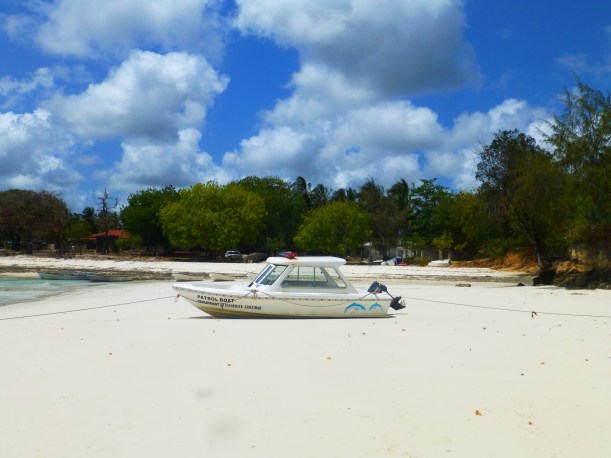
Low tide! Kizimkazi beach.


p1120818

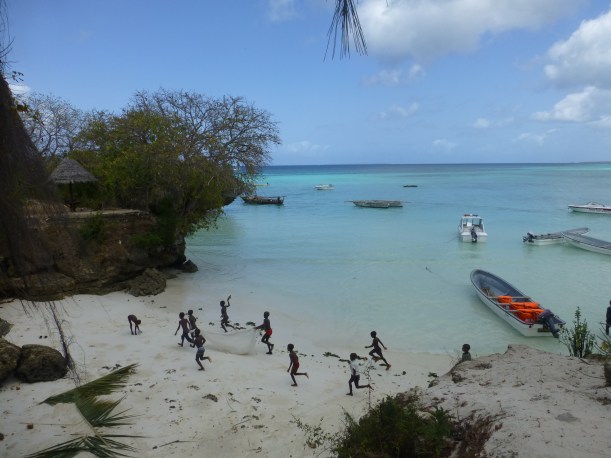
Kizimkazi. The children were having so much fun! You can see the white boat (the same one in the photo above) at high tide.


p1120844

p1120790

We went on a super fun, interesting tour of a small spice farm. So many spices can grow in this climate! We saw: ginger, turmeric, cinnamon, vanilla, cloves (what Zanzibar is famous for), allspice, lemon grass, cacao, black pepper and more. We got to smell and taste pretty much everything!


p1120875

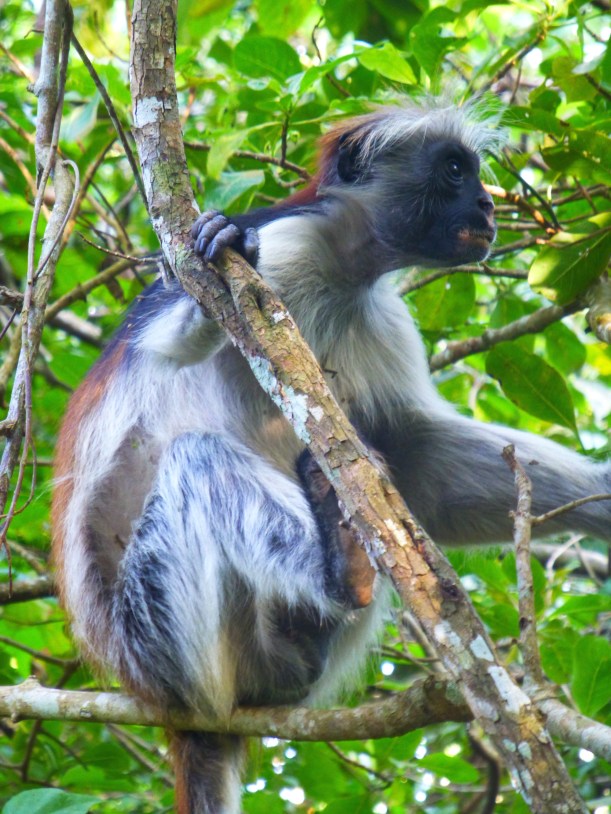
A Zanzibar Red Colobus Monkey. We saw many of these monkeys at Jozani National Park, where  a few large groups are living. Other groups are found around the island, but nowhere else in the world besides Unguja Island, Zanzibar!


3 Comments

Around Campus

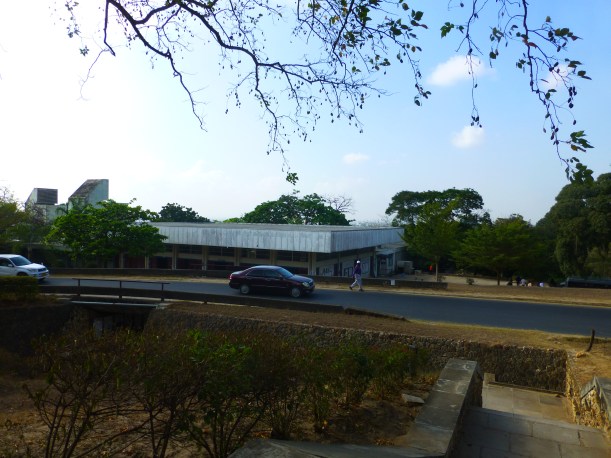
On October 8th, we will be leaving our home for 6+ weeks of travel and research in Northern Tanzania. We will return to our house for 3 weeks before we leave Tanzania. The University campus is our neighborhood, and in the 10 weeks we have been here, we have really enjoyed walking around and becoming familiar with the campus. We take morning exploratory walks, afternoon walks to the pool and mid-day walks to study areas or to the cafeteria. It now feels like home and I know we will be happy to be back in November. Here are a few photos to introduce our neighborhood.

img_3240

We walk by this mosque nearly every day, although it really depends on our route: on the road or on the dirt path? To the dala dala stop or the cafeteria? So many options!


img_3241

Walking across the bridge to get to the main part of campus.


p1120702

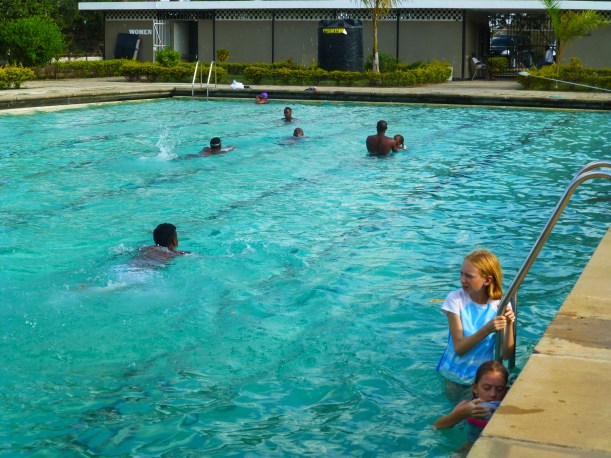
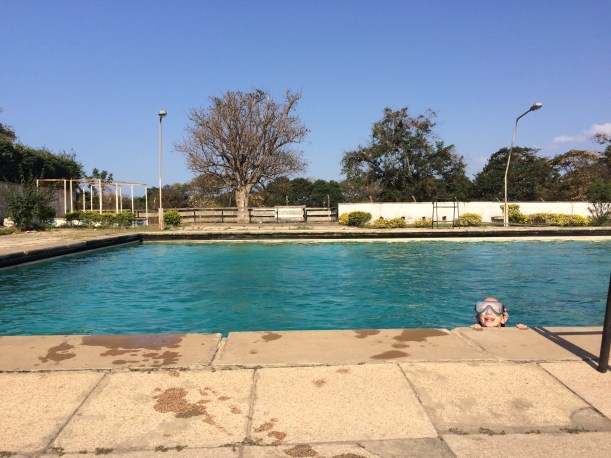
Afternoon ritual for Jon and the girls – swimming at the University pool (bwawa la kuogelea).


img_3338

The girls have become so comfortable in the water and are really improving their swim strokes. Going to the pool has been a great afternoon routine.


img_3349

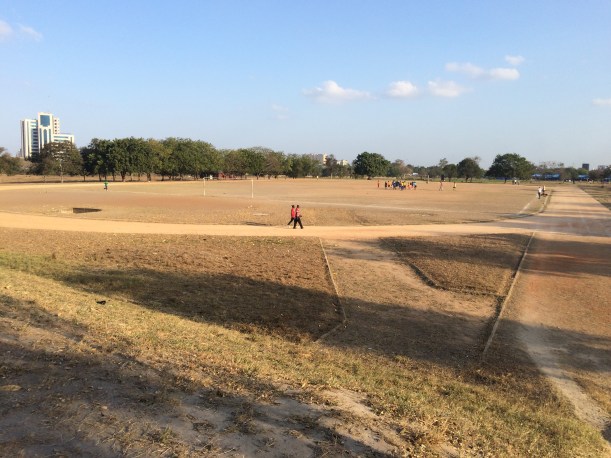
This is part of the athletic fields. There is usually a soccer game in the middle (and about 10 other soccer games/practices around!). I have been running around the track every few days for exercise (mazowezi). There are also lots of people playing basketball, using the chin up bars, practicing boxing and karate, or just sitting around watching others exercise. 🙂


img_3269

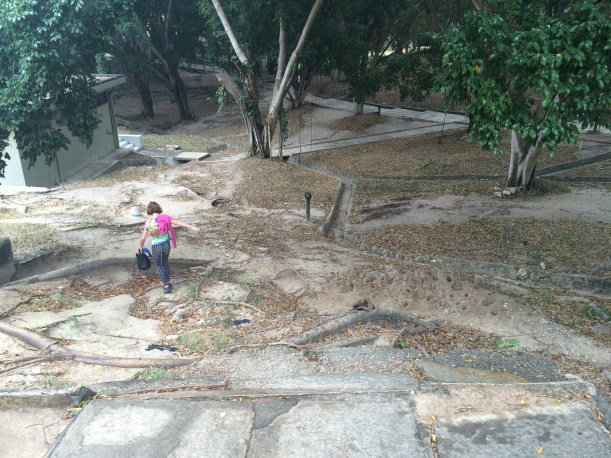
The campus is really quite nice. There are many dirt paths and dry areas, but also many trees, shrubs and quiet study areas.


p1120696

The campus is hilly so there are some nice views in places. This is the cafeteria where we eat regularly. Up a little higher you can see the Dar skyline and the ocean in the background.


Walking to the Engineering College cafeteria. We've only eaten there a few times because it's farther to walk. But the food is better. :)

Walking to the Engineering College cafeteria. We’ve only eaten there a few times because it’s farther to walk. But the food is better. 🙂


2 Comments

Homeschooling in Dar

Whoops! I posted this back in September, but I accidentally made it a new page rather than a new post. Who knew blogs could be so complicated??  Anyway, a bit about our homeschooling here…

We have been in Dar for 2 months now! I just realized the other day that our time in Dar is more than half over. In 2 weeks, we will leave for a 6 week adventure up north and then we return for only 3 more weeks in Dar. We’ve had a great routine in Dar so I thought I’d write a bit about what we do here before we leave!

During the week, Jon is busy going to classes with the students, teaching is own class, or preparing for our trip North. He is keeping fairly busy with work here as well as work still back home at Luther. The girls and I also stay busy with school work in the morning and various activities after lunch.

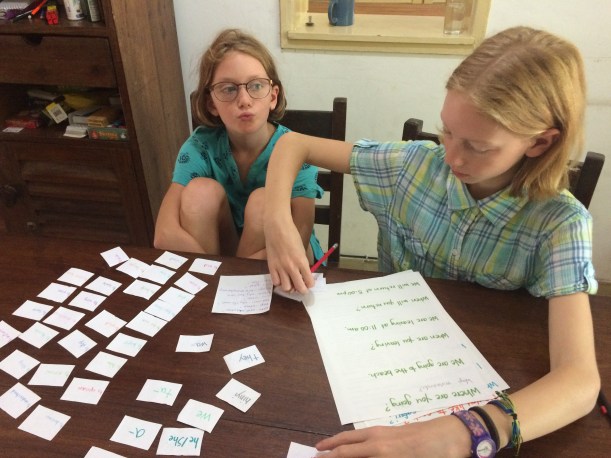
We have mostly been focusing on math and African studies, including Swahili, during our mornings of homeschool. Doing school work gives us a nice anchor for our day and provides necessary structure. I have a few goals in mind of concepts I want them to learn (dividing decimals, adding fractions, etc) and we are meeting those goals through our morning work. Also, Lily is learning cursive, Sylvia is firming up her English skills and they both do a lot of reading!

The great thing about homeschooling here is that we have so many adventures where learning occurs outside of the house – going to the National Museum, touring Zanzibar and Bagamoyo, exchanging currency, cooking Tanzanian foods, and speaking a little bit of Swahili. I try to make room for all the learning that can be done beyond the books while we are here.

Our afternoons are usually filled with violin practice for Sylvia, special projects like mapping or drawing, trips to the local market, or swimming at the pool here on campus. Our days go by pretty quickly and by evening there is just enough time after supper to play a game of Hearts or Euchre.

So there is a little glimpse of what we do every day. And without further ado, here are a few photos of our school days.

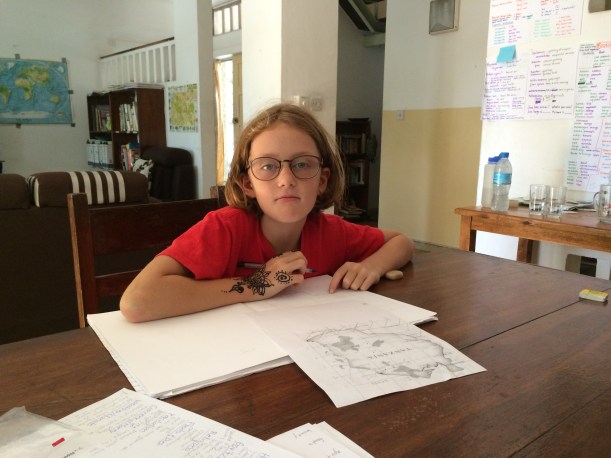
At home, working on Swahili and a map of Tanzania.

img_3303img_3605

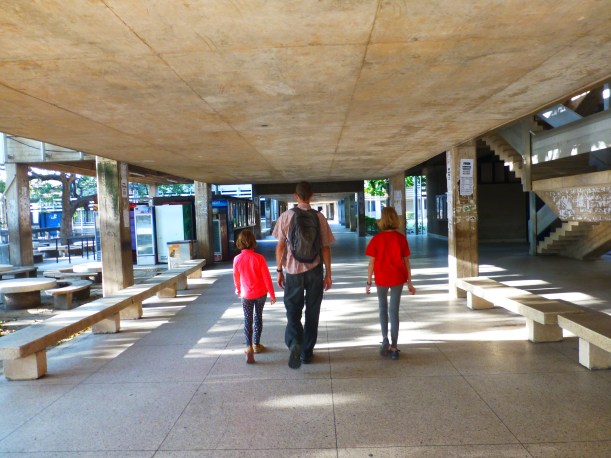
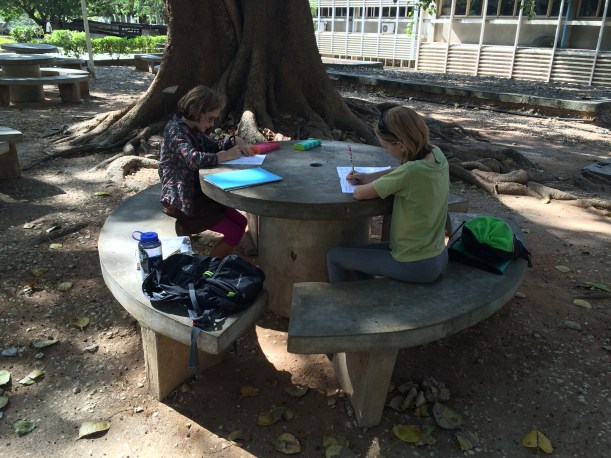
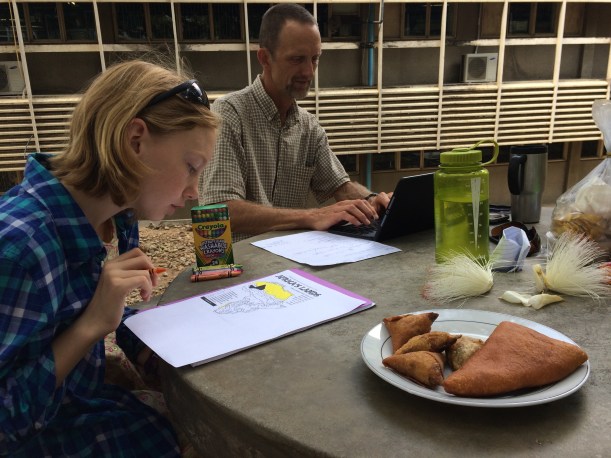
We really like to study outside at one of the many study areas on campus. We often meet Jon between his classes. Our favorite place to study is by the cafe that sells the best samosas!

img_3246img_3294

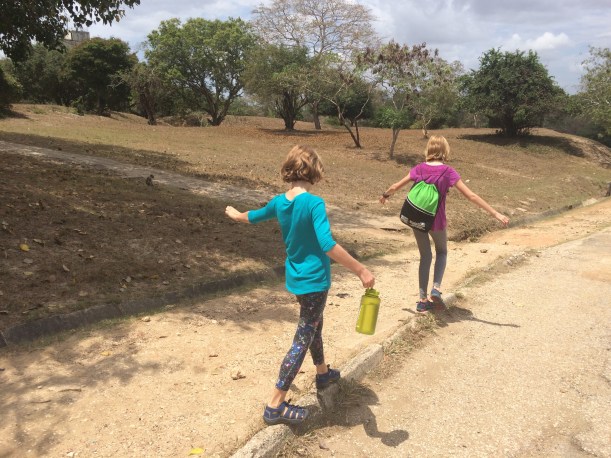
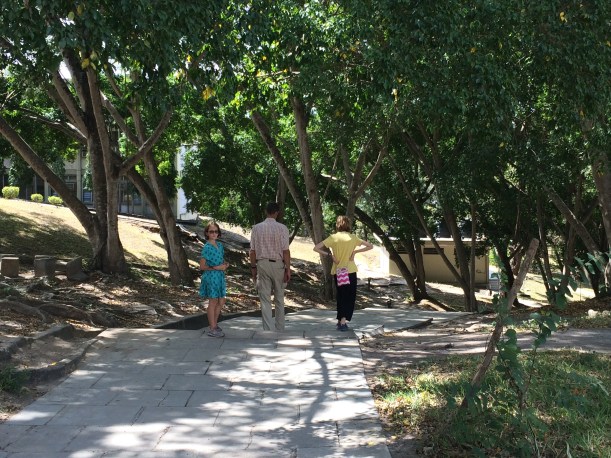
Walking to our study areas.

img_3239img_3203

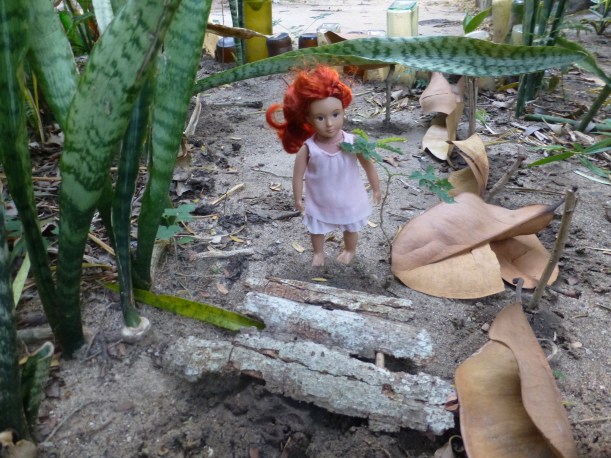
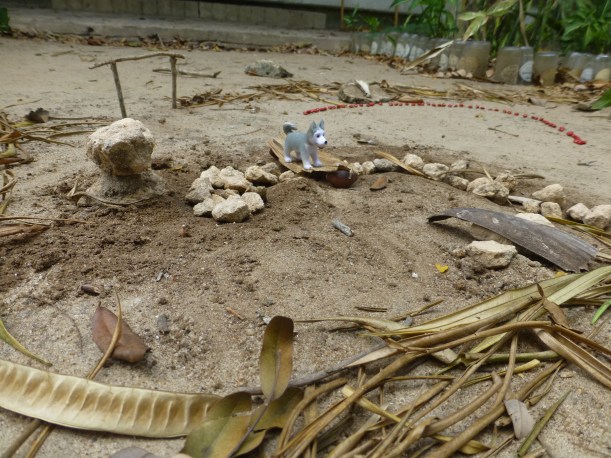
Recently, the girls created miniature parks for their doll and dog and then drew a map of the area. And took lots of fun photos.

p1120474p1120502