by Rachel
Roatan is such an interesting place in many ways – geographically, historically, politically and culturally. We have learned a lot about the island through museums, books, websites and just plain talking to people. 🙂
There are 5 main groups of people on the island that help tell the story of Roatan. I’ve had the chance to talk with a representative from all of them and will give a brief description here.
First, a little history. There are no indigenous groups left on the islands. Spanish explorers first came to Roatan in 1502, and in the following years, the native people (Paya Indians) were killed or forced off the island. The Spanish had a presence on the island for hundreds of years, along with some British explorers and pirates.
One of the first groups to arrive on the island and maintain a permanent community are the Garifuna. The Garifuna are an ethnic group with Arawak Indian and African roots. They speak their own language and have many of their own customs. They came to Roatan in 1797 from St. Vincent after the British forced them off the island. They settled in Roatan and have over 30 communities on mainland Honduras and Belize. They mostly live in the community of Punta Gorda.
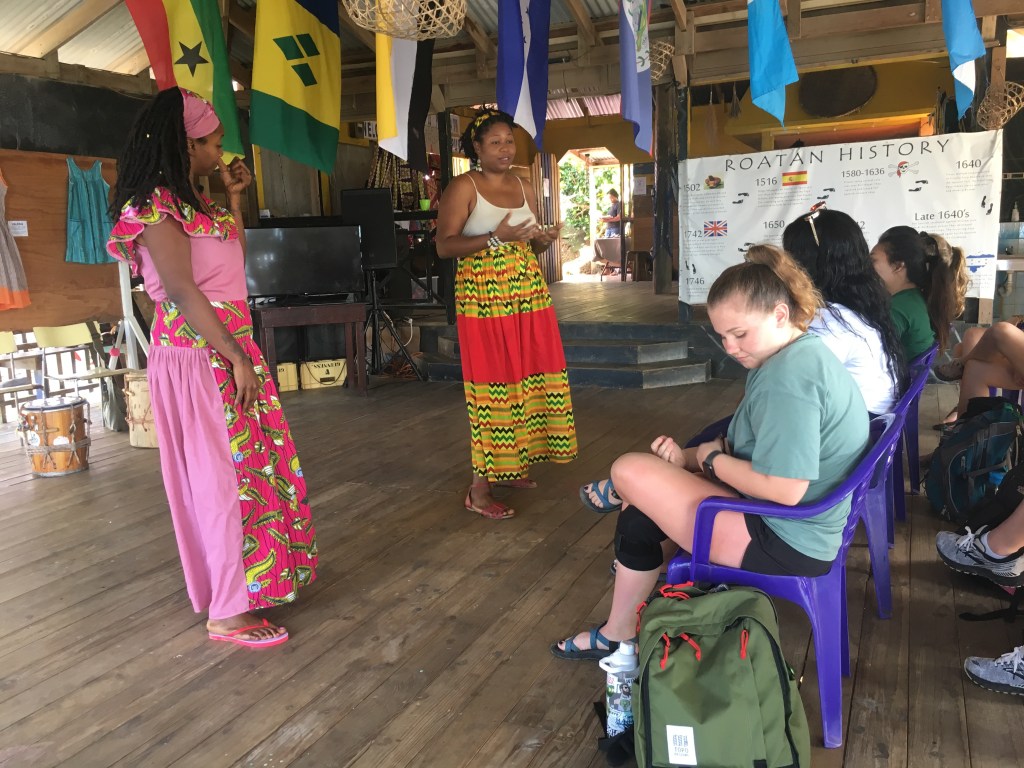
A visit to the Flamingo Cultural Center to learn more about the Garifuna. 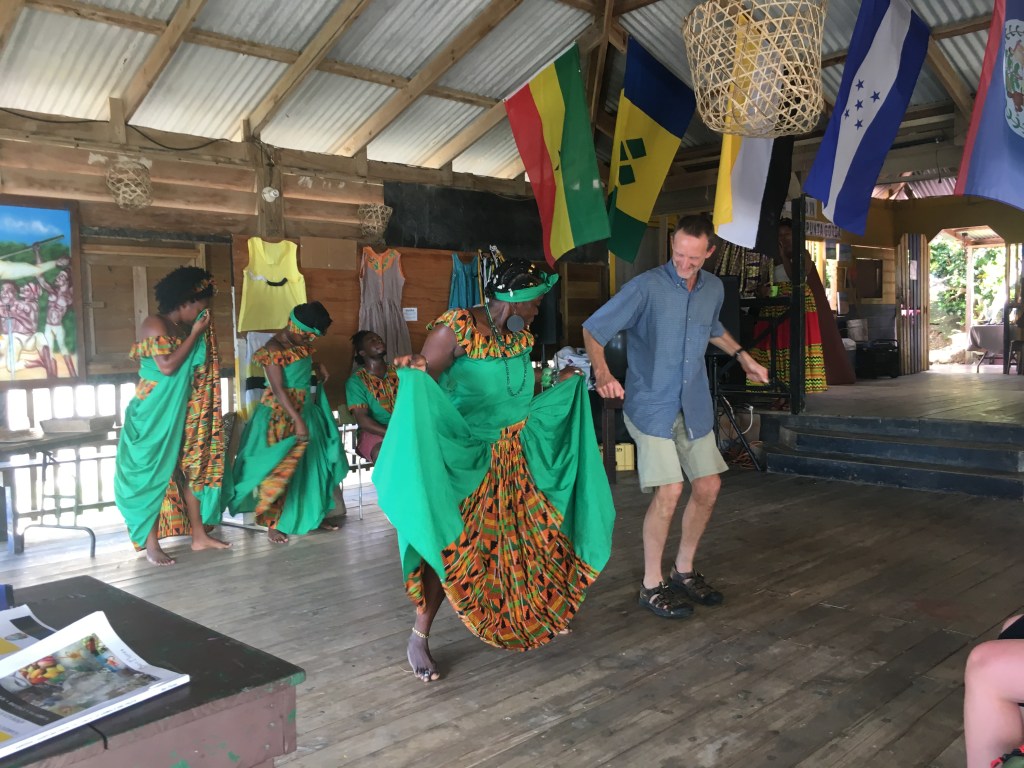
Teaching us how to dance!
Roatan has another community of African descendants – the Black Islanders. This group speaks Islander English which is oftentimes hard to understand! Most of the Black Islander descendants came from the Cayman Islands as freed slaves after slavery was abolished by Britain in the 1830s. They settled on Roatan to start a new life. The Black Islander communities are Flower’s Bay, Sandy Bay, and Oak Ridge.
Another group that settled on Roatan are the British. Some came after slavery was abolished, others arrived when Roatan became a British island, in the 1850s. Their descendants are called the White Islanders or British descendants. They are light skinned, often with blue eyes, and also speak a form of Island English that’s hard to understand. Their main settlement was French Harbor, and Jonesville is another community. I don’t have any photos of the White Islanders we met, but below are photos from the sloth farm that a family of British descendants owns and operates.


After Roatan became a part of Honduras in 1861, more Spanish from the mainland started to migrate to the island. But it was after hurricane Mitch, in 1998, that large numbers of Spanish, or Mainlanders, started coming to the island. Now, they make up the largest group on the island. They have their own settlements but have also integrated into all of the other communities on the island.
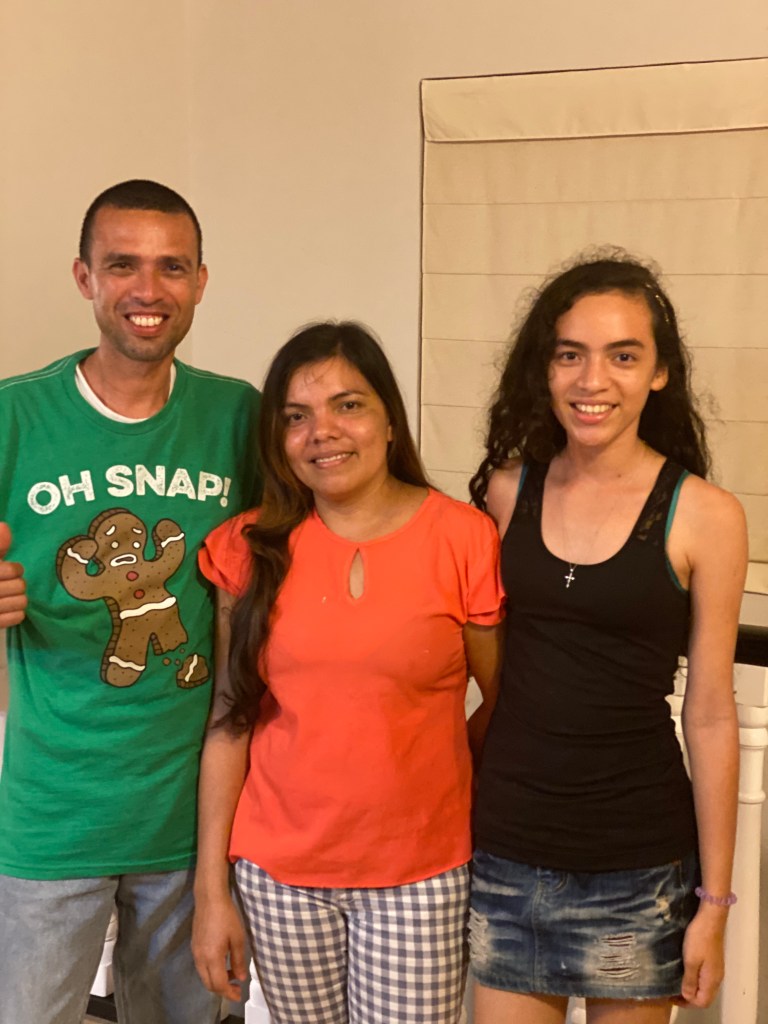
Our friends Elias, Rosa and their daughter Ashley. They also have a 3-year old son, Josue. 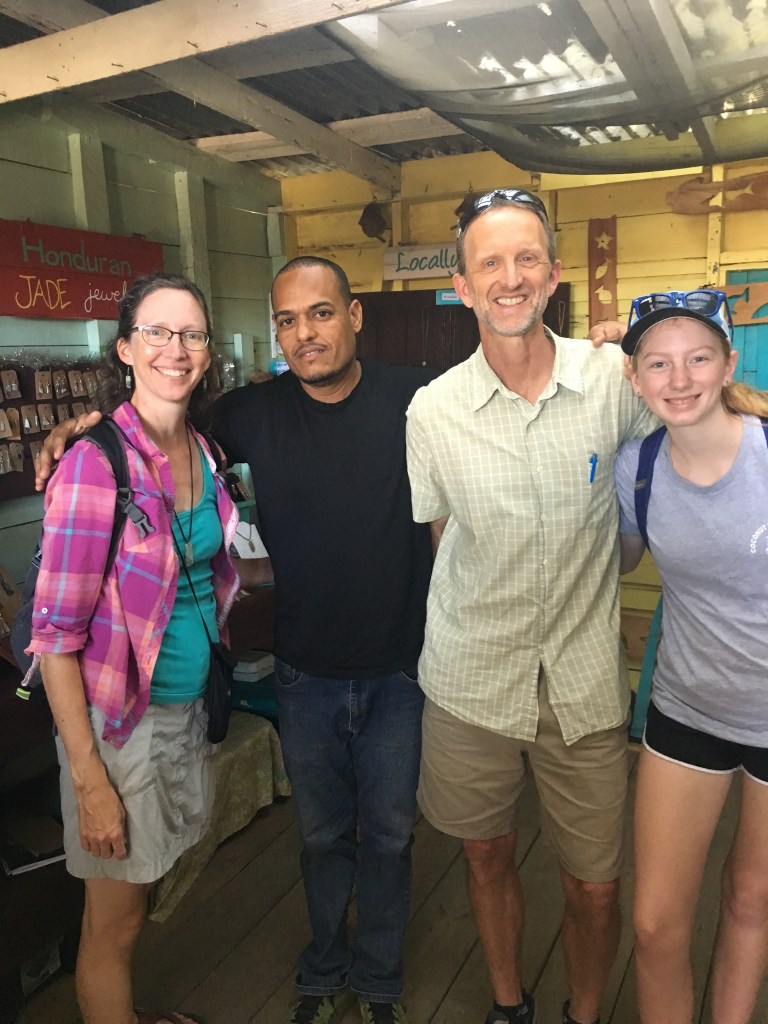
Our friend Yourgin who is an artist and has a shop in Coxen Hole.
Finally, there are the expats. This is a growing group of people moving here from all over the world. Some live here full time and some have second homes here. They come as divers, missionaries, libertarians, retirees…we’ve met people who are here for so many reasons! Most of our ex-pat friends are here doing some kind of non-profit work: running a medical clinic, teaching, or other mission work. We know folks who run dive shops and teach others to dive. And we’ve met people who just want to live on a tropical island. 🙂 Our dearest friends are the VanZees, Americans who moved here 6 years ago with their 5 kids (with a sixth child born here!). They own and operate 2 restaurants as well as the Roatan Refuge – the apartments where we live.
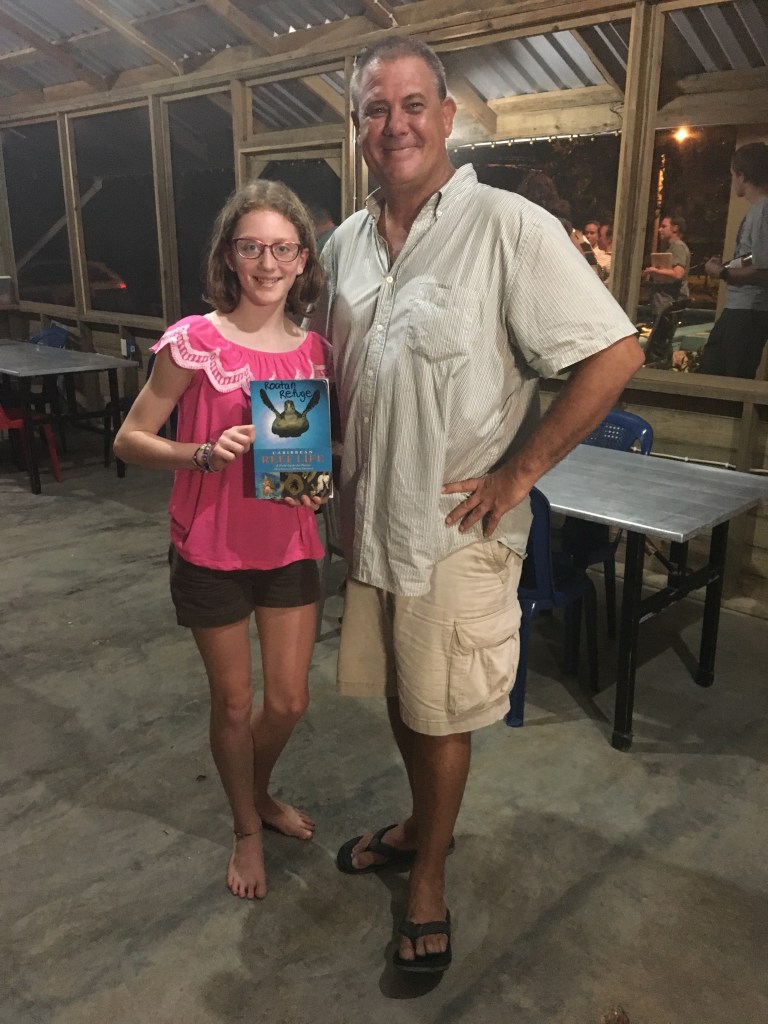
Micky Charteris, a diver, photographer and author. 
Amelia! 
Isaiah and Owen!
 SylLy Acres
July 1, 2024 at 7:10 pm
Thank you so much for this! I used to live and teach in Roatan and am writing about my time there and really trying to capture the different races and cultures. This has been so helpful!