
We spent last weekend with the students in Gozo, the 2nd largest island in the Malta archipelago. Gozo is an enchanting place – so full of history like Malta, but quieter and less developed. The island of Malta has 400,000 people whereas Gozo has 30,000. Gozo has 13 villages and 1 town and they are separated by farmland unlike many of Malta’s cities which are only separated by signs. We saw many of Gozo’s highlights over the weekend. We rented a small tour bus and hired a guide for Saturday afternoon. On Sunday afternoon, we again rented a bus and had a University student show us around.
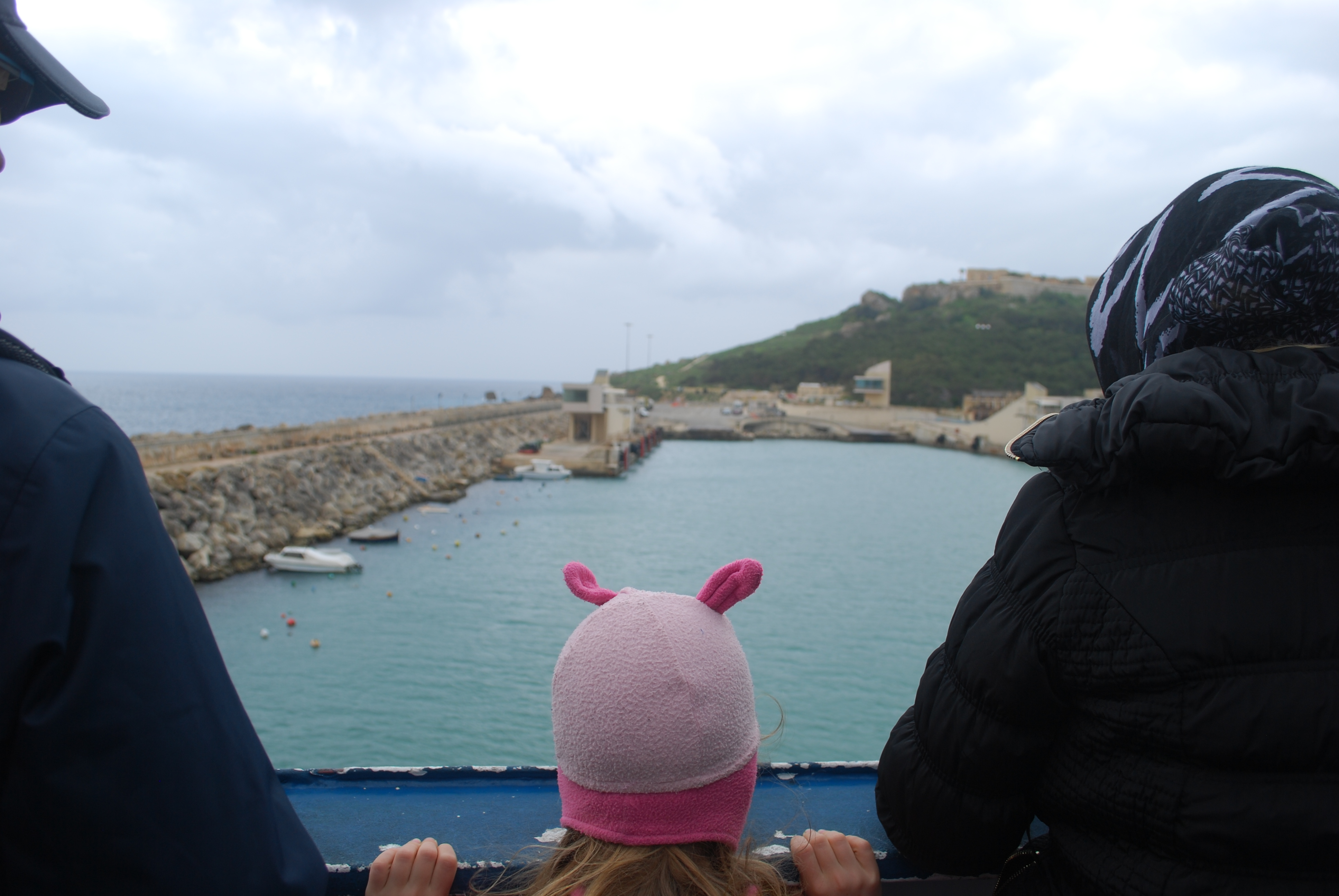
The only way to get to Gozo is by ferry. The huge ferry carries vehicles as well as people on a 25 minute cruise. The ferries run quite regularly and the fare was less than 5 euro. Lily is watching our approach into the harbor on Gozo.
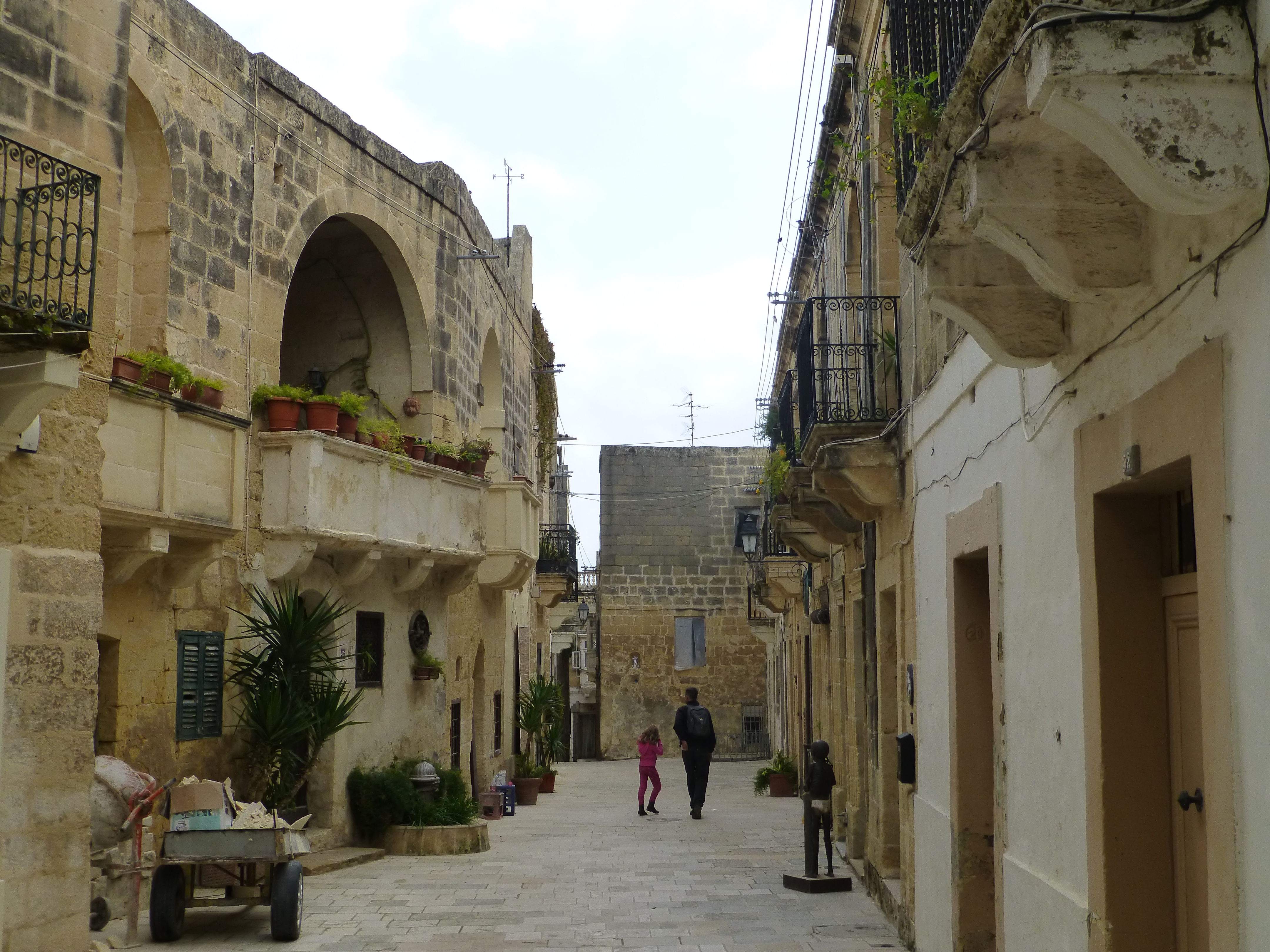
We stayed at a monastery in Rabat (Victoria), the largest city on Gozo. We had time to wander around before our tour started. I loved the narrow, car-free, winding streets. We didn’t exactly know where we were going, but the city was small enough we eventually found our way back home.
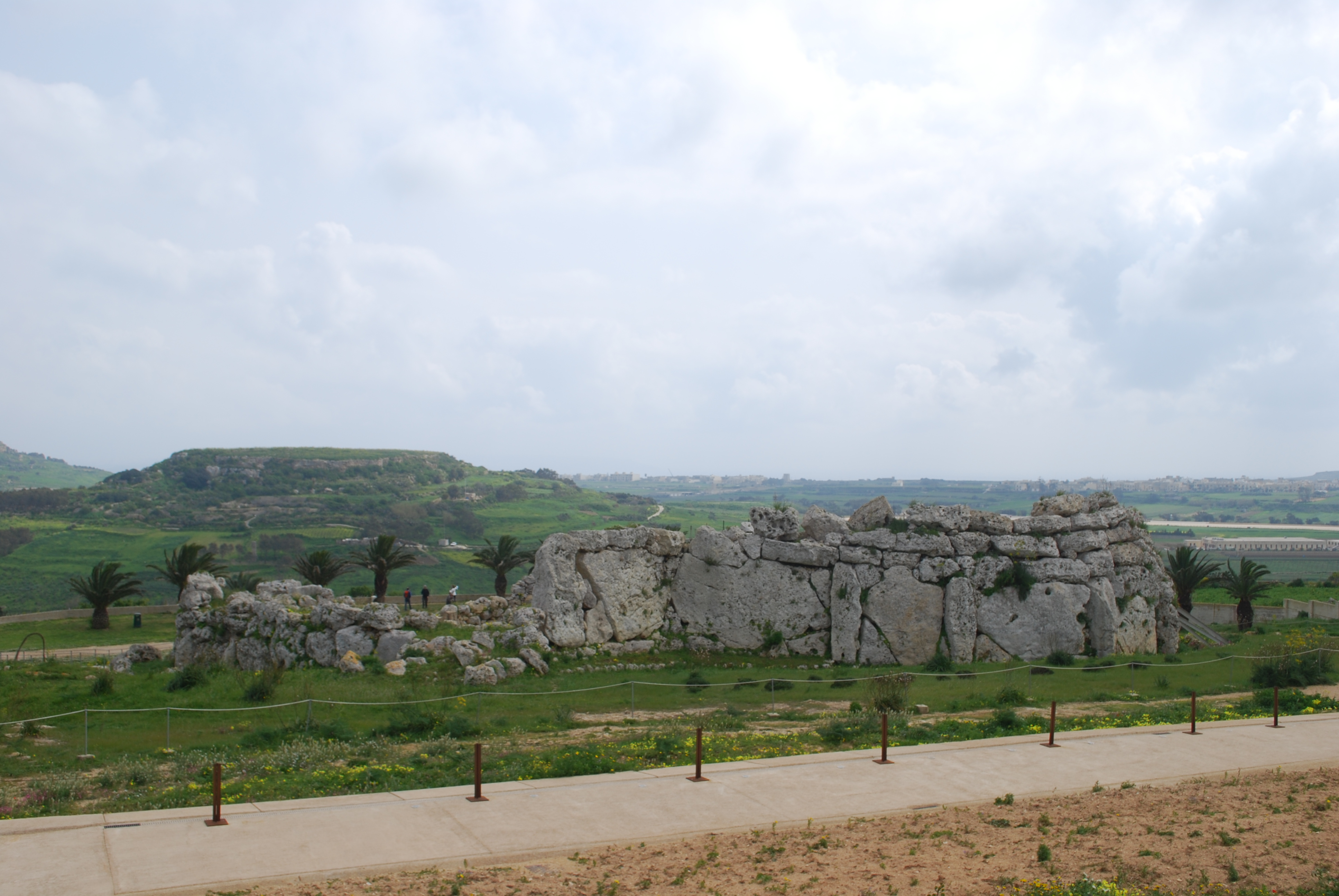
Our first stop of the afternoon tour was the Ggantija Temples, part of which was constructed as early as 3600 BC. The temples were used for about 1,000 years, most likely for rituals about life and fertility.

What a beautiful view!
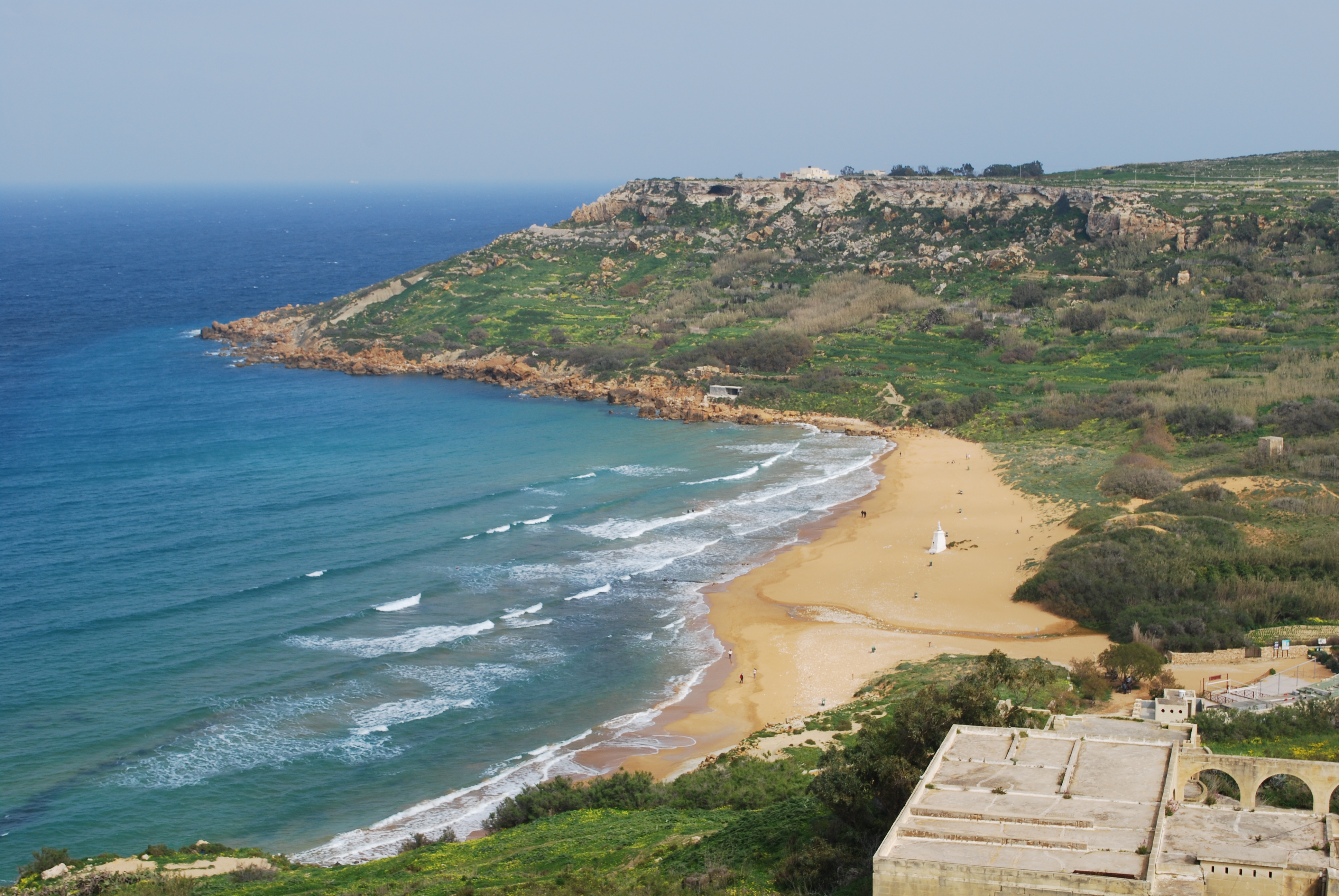
We saw Ramla beach, one of Gozo’s finest, from high above. We were at Calypso’s Cave, which was mentioned in Homer’s The Odyssey.
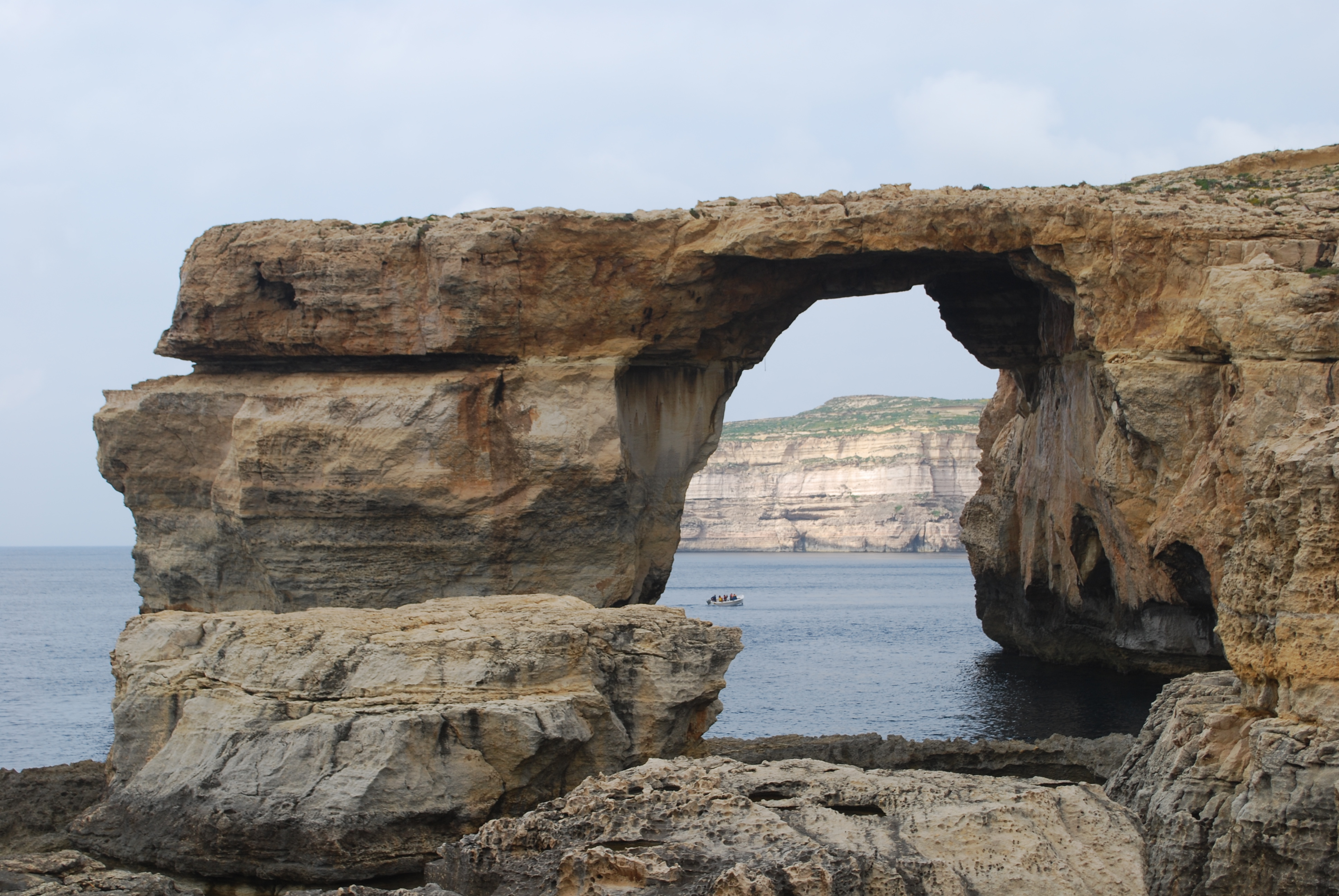
The Azure Window, near Dwejra. Not only is the rock formation incredible (328 ft!), but the water was such a deep rich blue – quite unusual. It was a stunning place. The Maltese islands are made of 3 different kinds of limestone and 2 different kinds of clay. It’s the soft limestone that allows formations like these to be created with the help of the common northwesterly winds and the power of the sea. The Azure Window was featured in the show Game of Thrones.

Our last stop for the afternoon was back to the capital, Rabat. We went to the Citadel, the original walled city perched high on a hill. The city was built to offer protection to the Gozitans, and even as Rabat grew outside of the walls, the people were required to sleep inside the walls until the late 1600s.

Rabat is an Arabic word for knot or closely tied together. Rabat in modern lingo means suburb. Rabat grew up around the Citadel. Today, only 4 people still live in the Citadel while the rest live in Rabat.
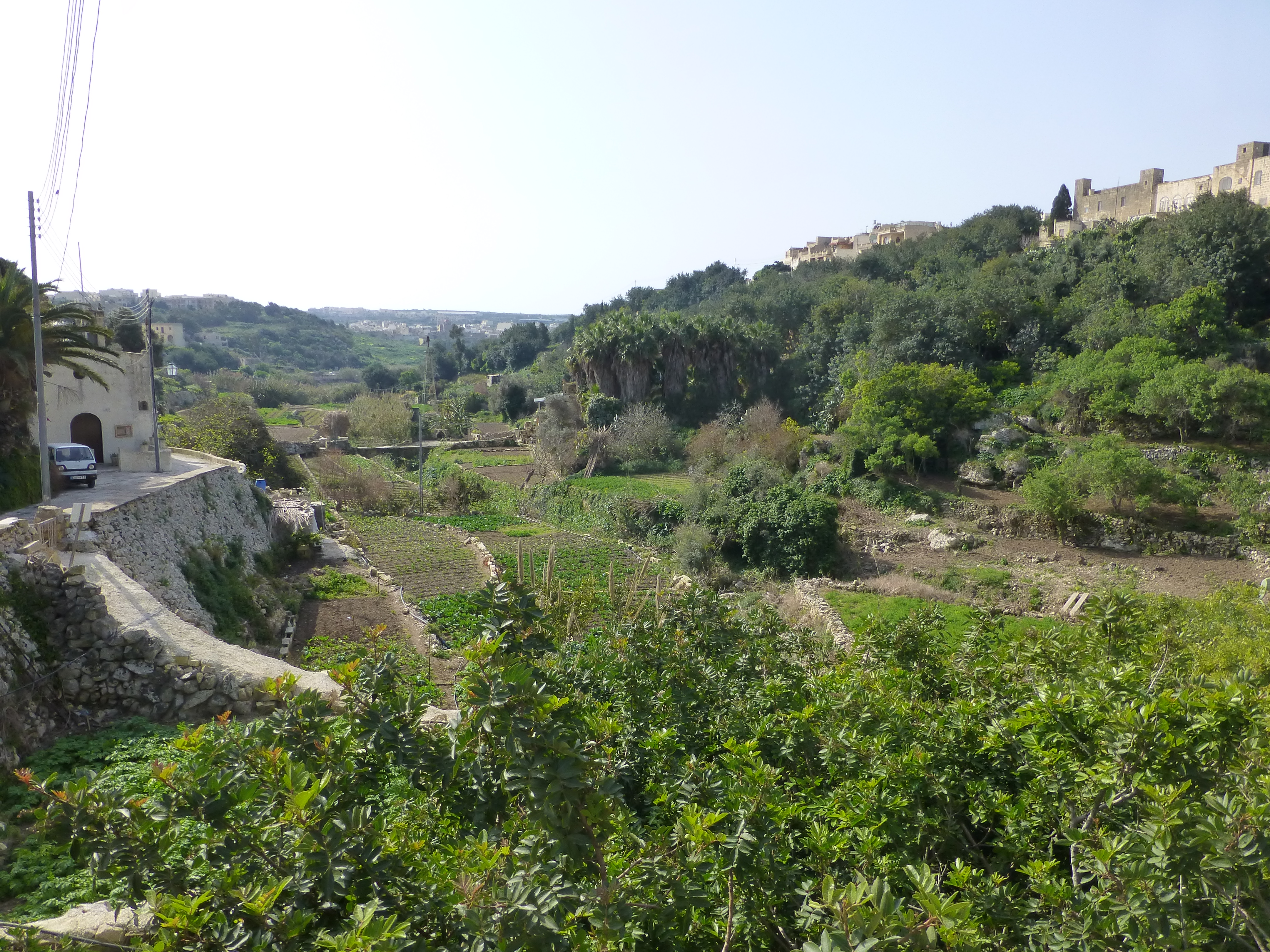
On Sunday morning, we explored on our own and found this gorgeous little valley right in Rabat. It was fun to see so much green and lots of garden plots with spring vegetables.
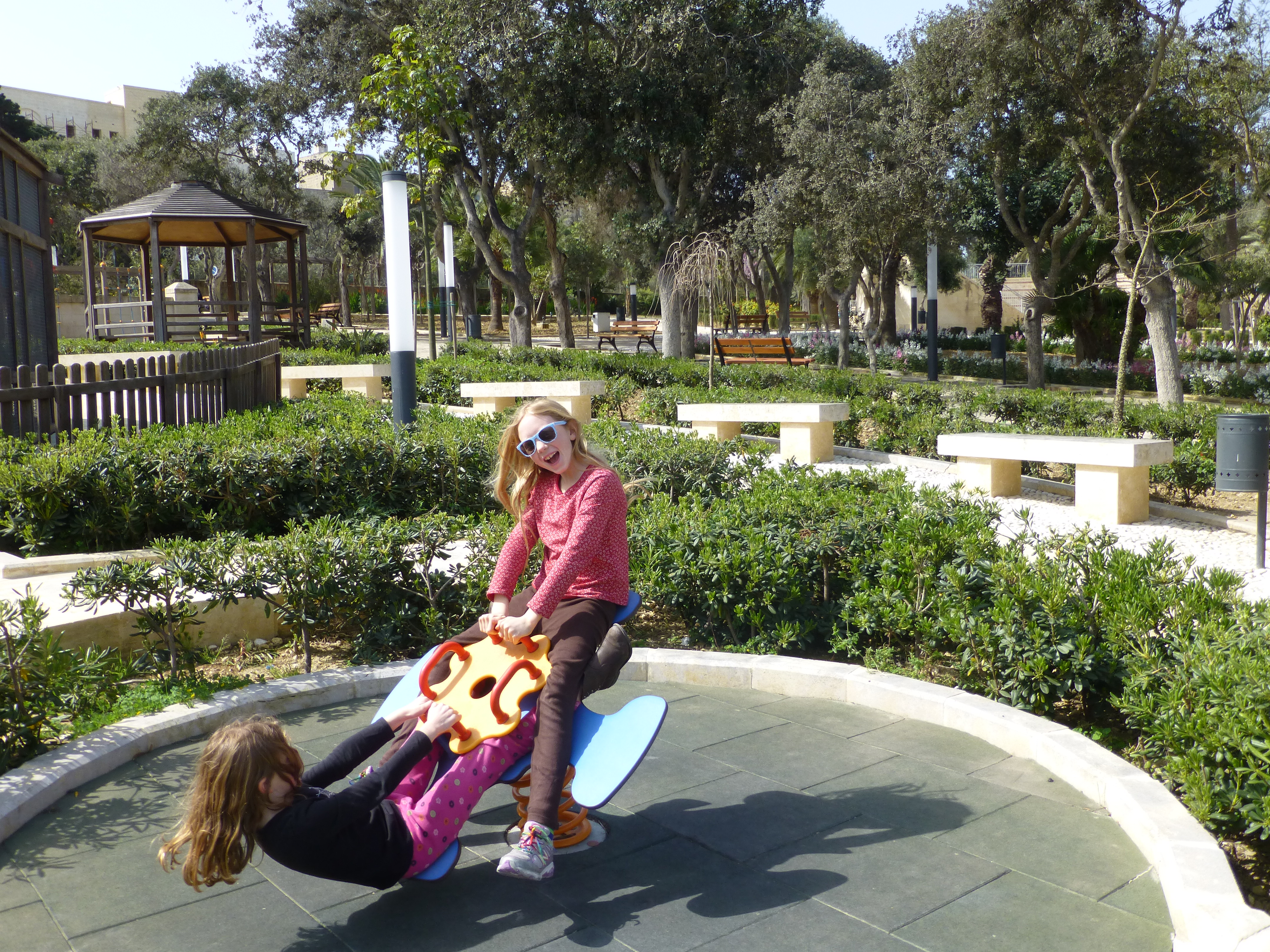
We also found a fun little park!

On Sunday, our guide was a student at the University who is a Gozo native (well, technically, he was born in Detroit, but has lived on Gozo since he was 3). He took us to some of his favorite places and our requests. Our first stop was the salt pans. These squares fill up with saltwater which evaporates. The salt is then collected and sold as, you guessed it – sea salt!
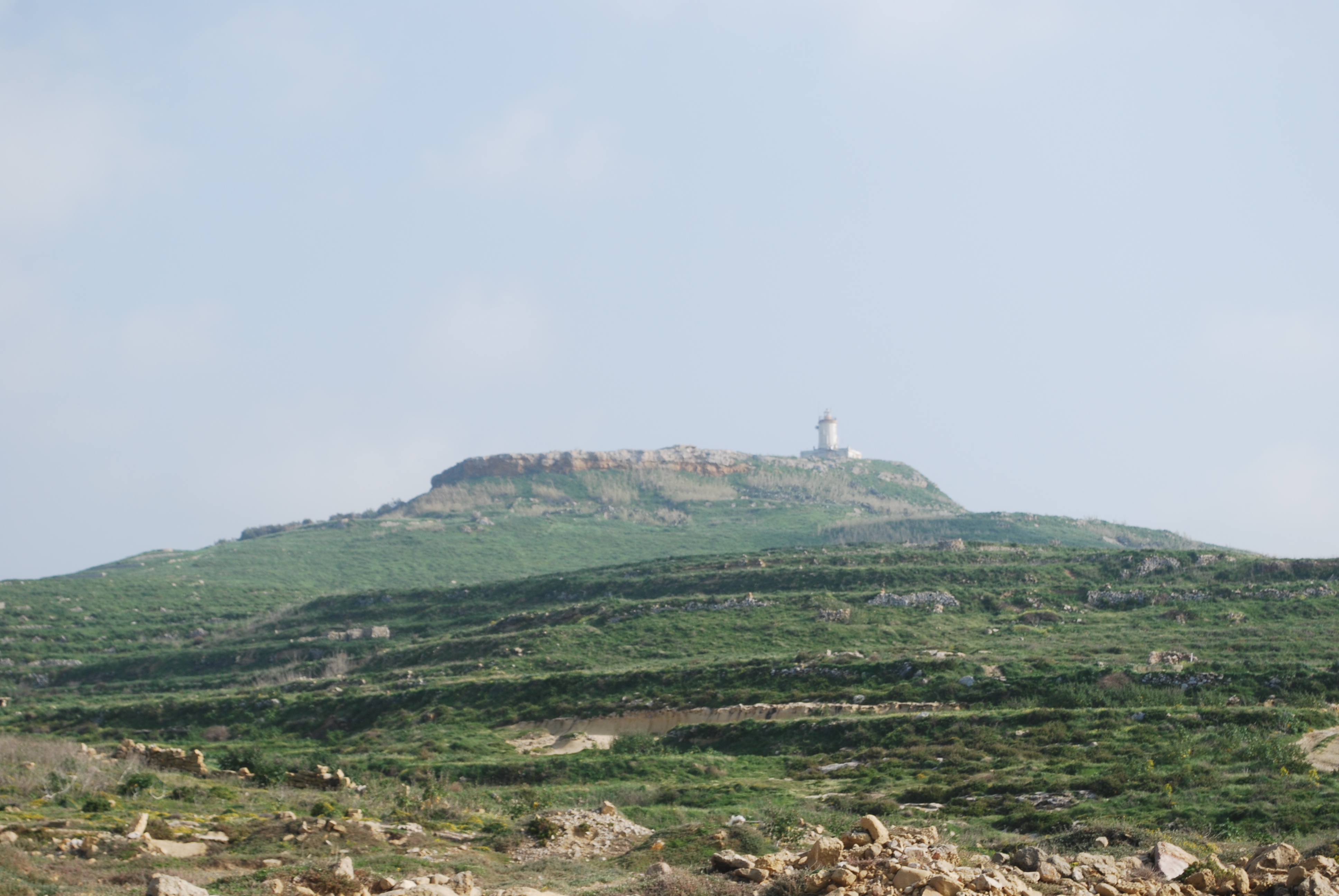
We climbed up to this lighthouse for beautiful views of the island.

The view. 🙂
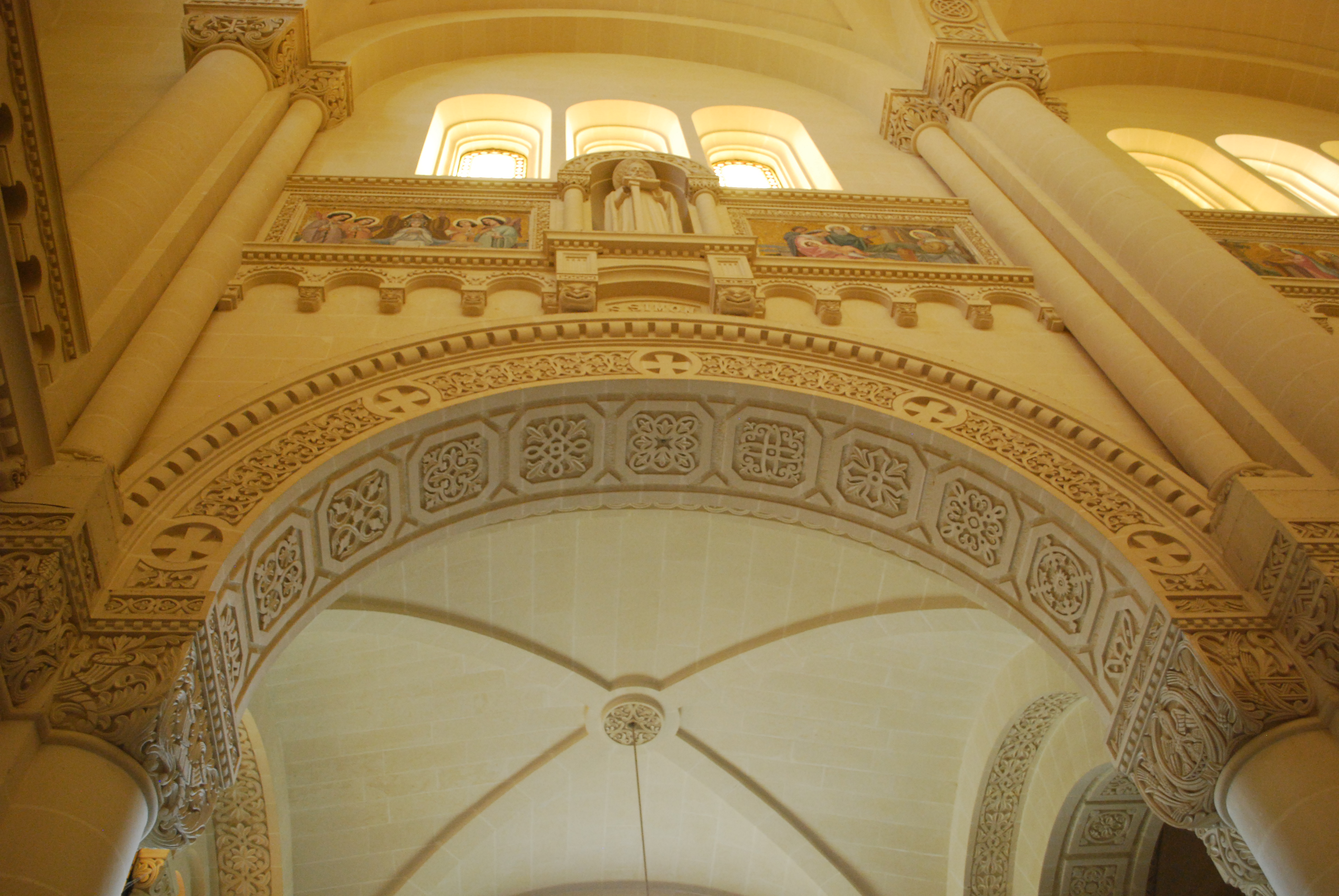
We stopped at Ta’ Pinu Basilica in Gharb. The church was beautiful and the carved limestone was quite impressive.
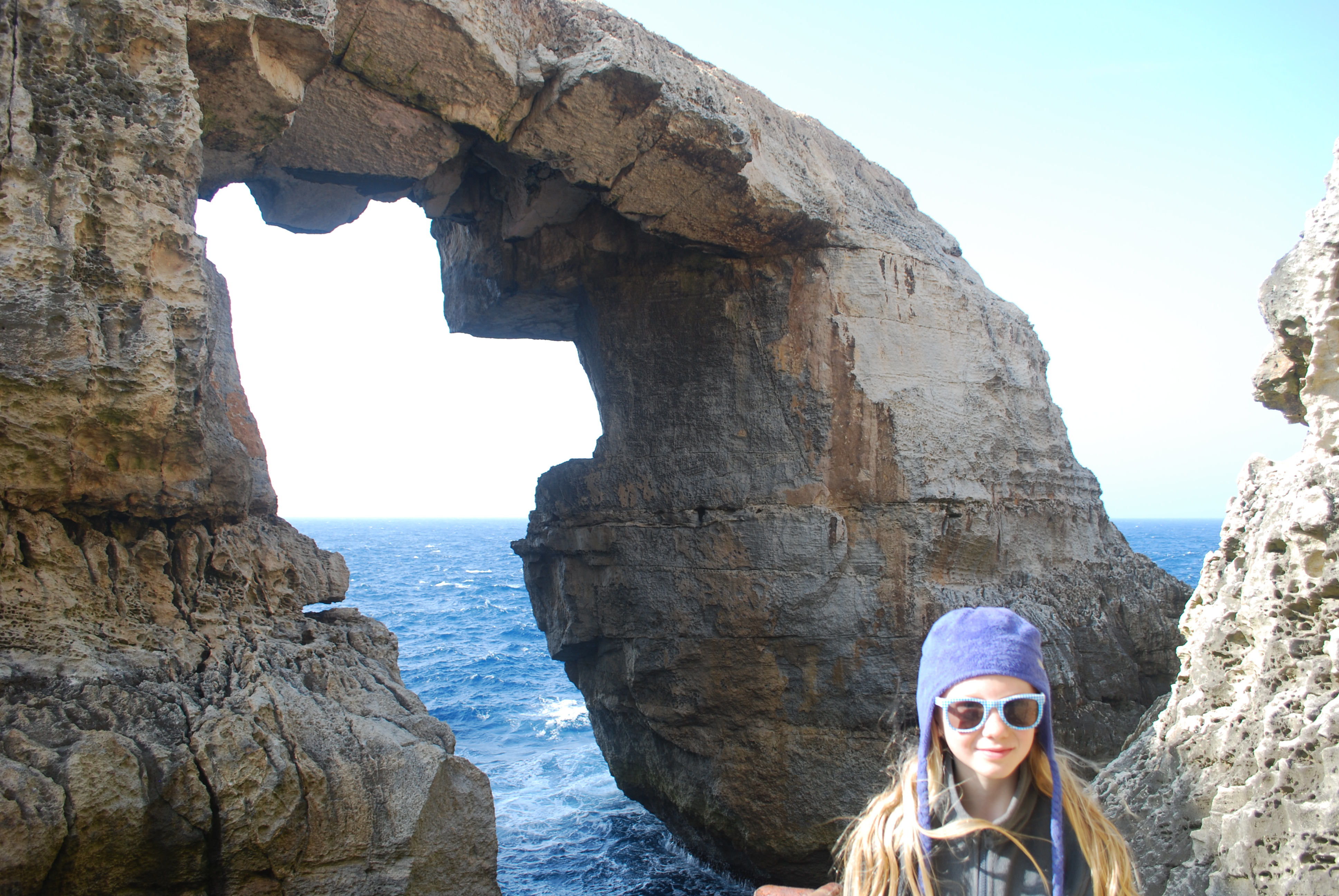
Another natural arch carved out of stone by the forces of wind and water.
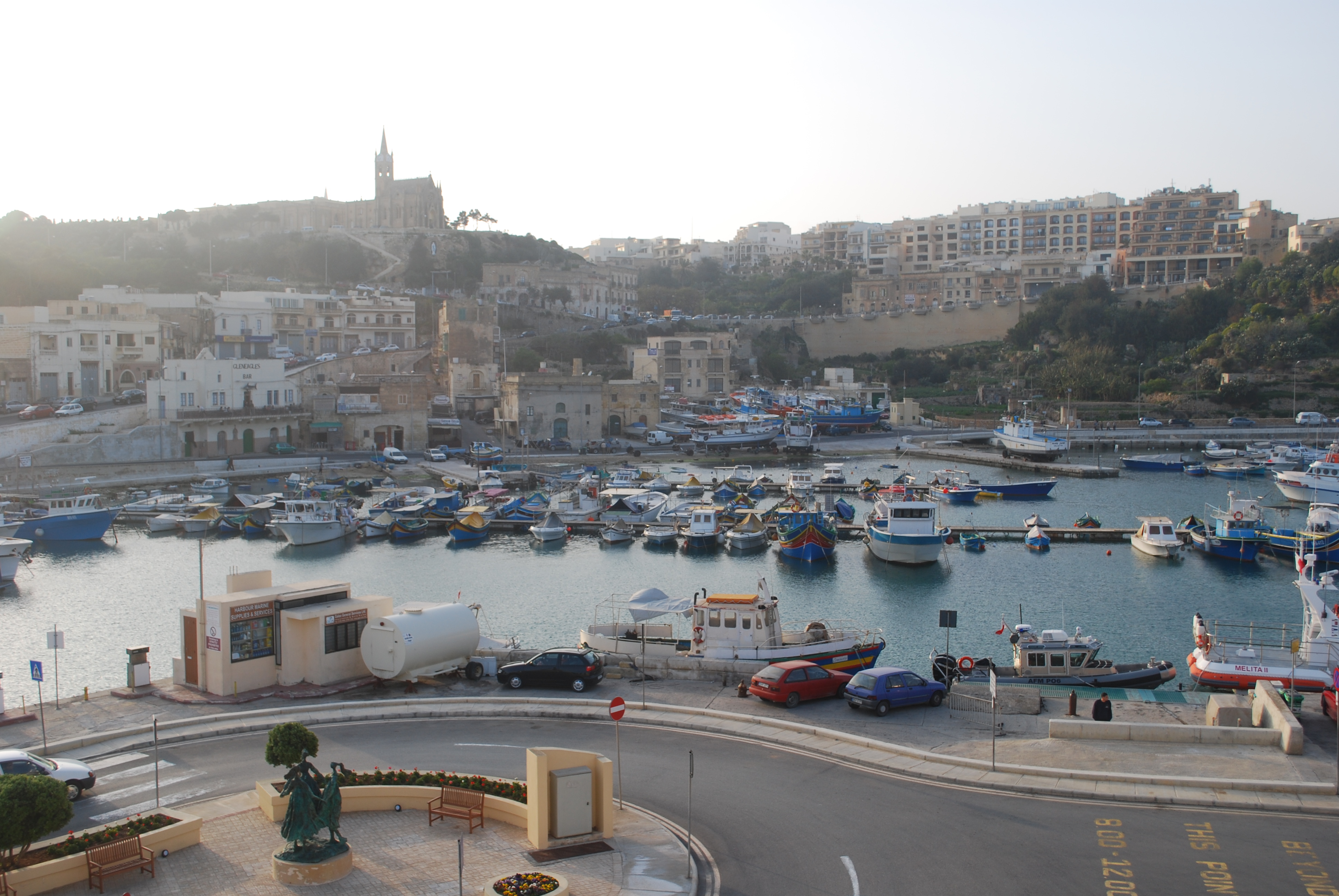
Mgarr, the port town where we arrived and departed by ferry. Goodbye, Gozo! We will return.
 SylLy Acres
March 19, 2014 at 1:34 am
Wow, Gozo is almost as out-of-the-way as Decorah, Iowa! But inhabited by people longer – maybe. Looks like a pretty neat place. Makes me want to sing, “Wake me up before you Gozo…”. Wasn’t that a song by George Michael? 🙂